HELPFUL TOPICS - BLOGS
Unlocking the Secrets
Tips for Boosting Your musical journey in the World of string instruments.
The Vermont Violins blog page is a resource for individuals who are interested in string instruments. It provides answers to frequently asked questions about violins, violas, cellos, and basses, including topics such as maintenance, repair, accessories, and purchasing. The blog is written by experts in the field of string instruments, providing valuable insights and tips to help readers make informed decisions about their instruments. Whether you are a beginner or a professional musician, this page offers a wealth of information to help you navigate the world of string instruments.
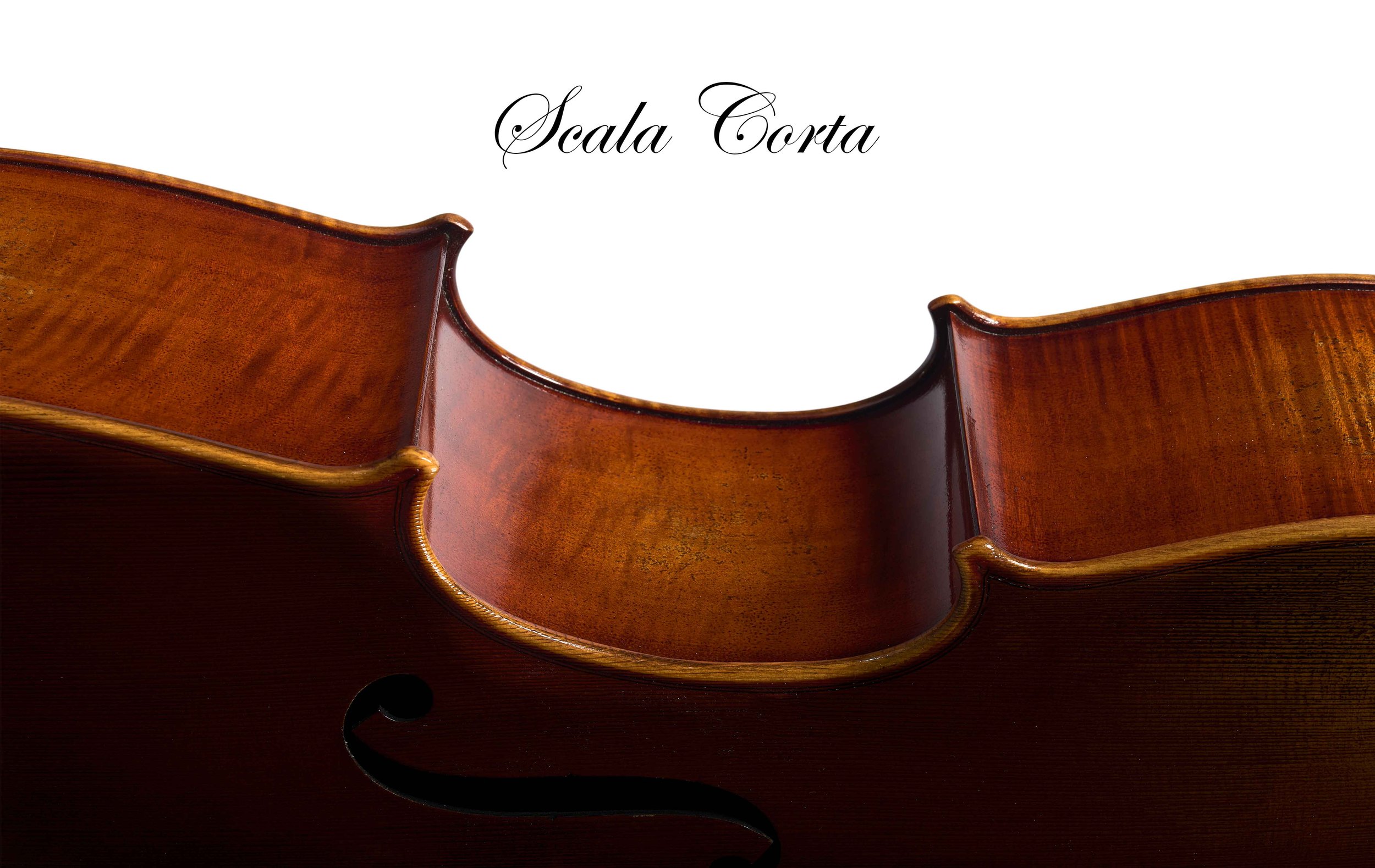
Wouldn’t it be great if you could have the best of both worlds: the tonal volume and complexity of a full-scale cello and the comfort and ease-of-play of a smaller cello?
We have a perfect solution!
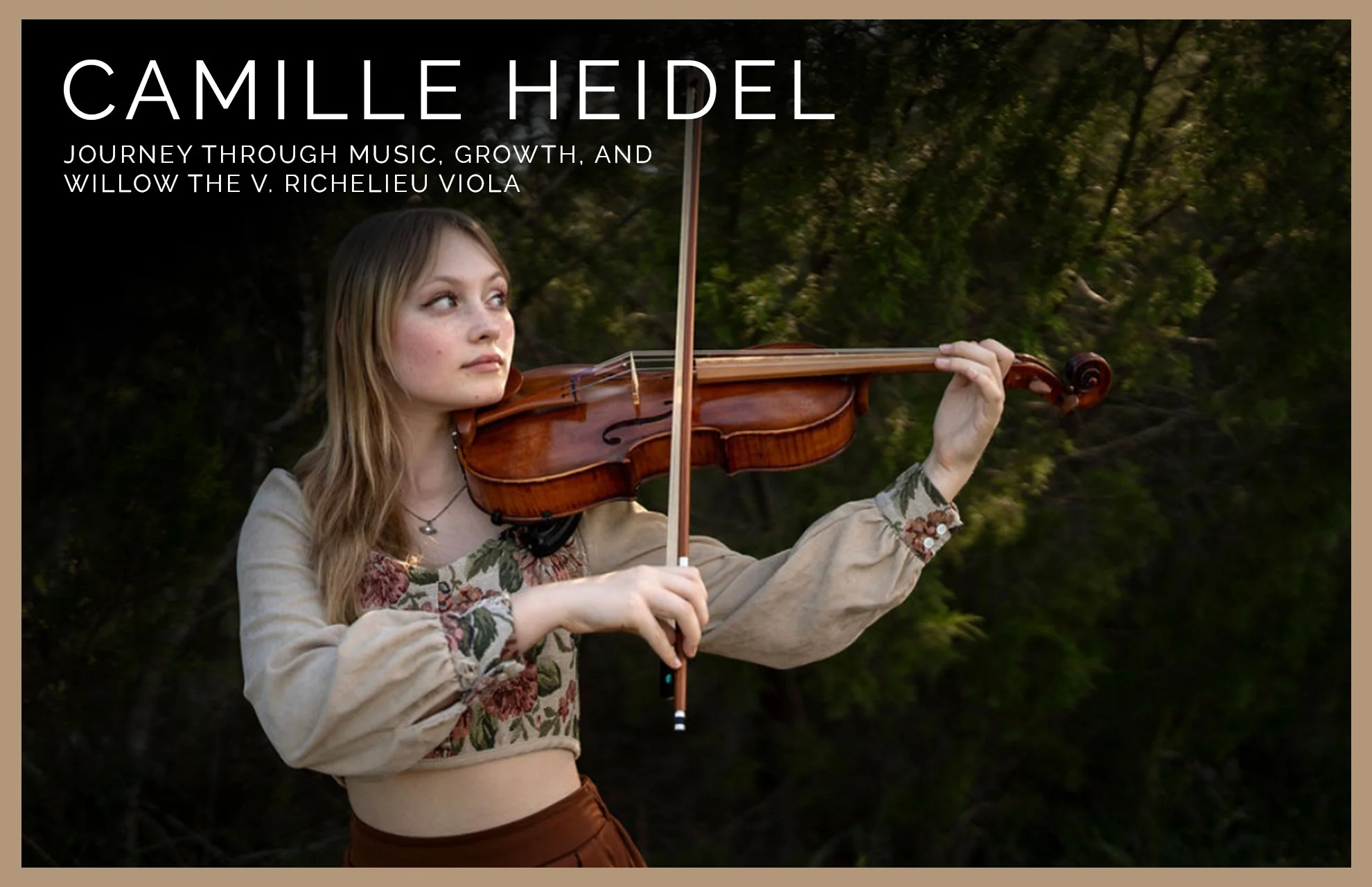
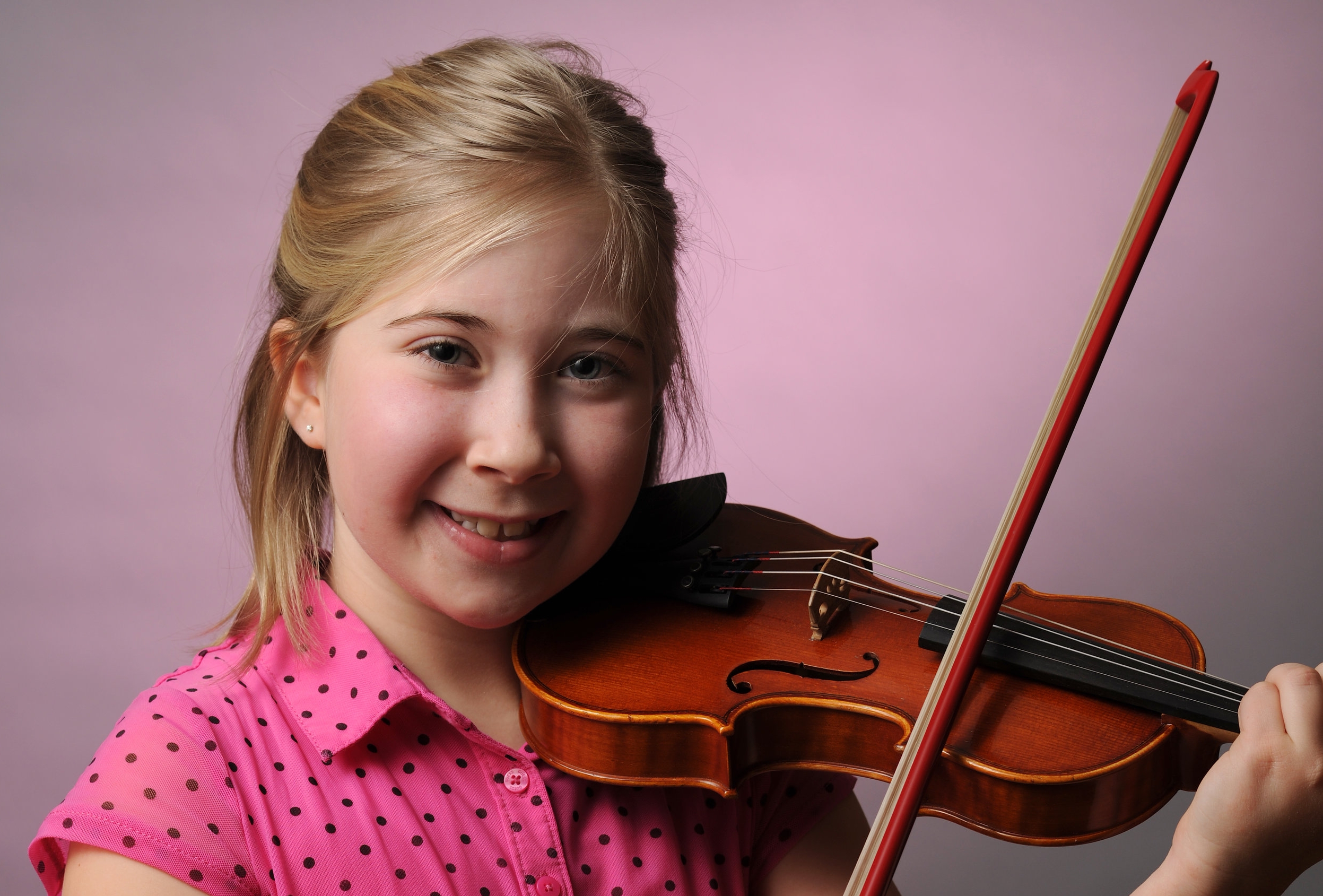
When seven-year-old Camille expressed interest in learning a string instrument, her mother Ginger faced a decision familiar to many parents: how do you support a child's musical dreams— how to choose and invest in an instrument they might outgrow in two years?
Decoding the Price Jumps from $1K to $24K
A $1K to $4K violin offers big changes. A $20K to $24K jump? It's more subtle. Know what you're paying for.
New vs. Used Violin: Which is Right for You?
Choosing between a new violin and a used violin can be tough! This guide explores the sound, playability, price, and investment value of each to help you decide. Discover whether a modern instrument's pristine condition or an older violin's mature tone and potential appreciation best suits your needs and budget. Read more to find your perfect violin!
The Value of Quality: Why Rental Matters
Parents often express concern about the cost of learning the violin. Lessons, instruments, orchestral fees, and audition fees can quickly add up. But is it truly expensive?
Discover the convenience and precision of clip-on tuners at Vermont Violins, where we've honed our craft for generations. From enhancing your practice sessions with accurate tuning to aiding in developing your musical ear, our range of quality clip-on tuners ensures your instrument sings its truest notes in any setting.
Bridges in violin making are not just pieces of wood; they are meticulously carved to exact dimensions, with varying levels of quality affecting their resonance and tone transmission. Each bridge is a testament to the artistry and precision of luthiers, reflecting hours of craftsmanship to ensure every violin sings in its finest voice.
You’ve heard great things about them….but you can’t figure out which one is for you!
We can help!
One of the hallmarks of the Vermont Violins Rental Program, is the equity accrual terms. With our rentals, you are not only renting a fine instrument, but actually building an equity pool for yourself with which to purchase one when you are ready to move past rental into ownership.
Vermont Violins is tremendously proud to rent instruments that are beautiful both visually and tonally. Having an instrument that looks good and sounds good will help motivate us to play and will foster better care of our instruments.
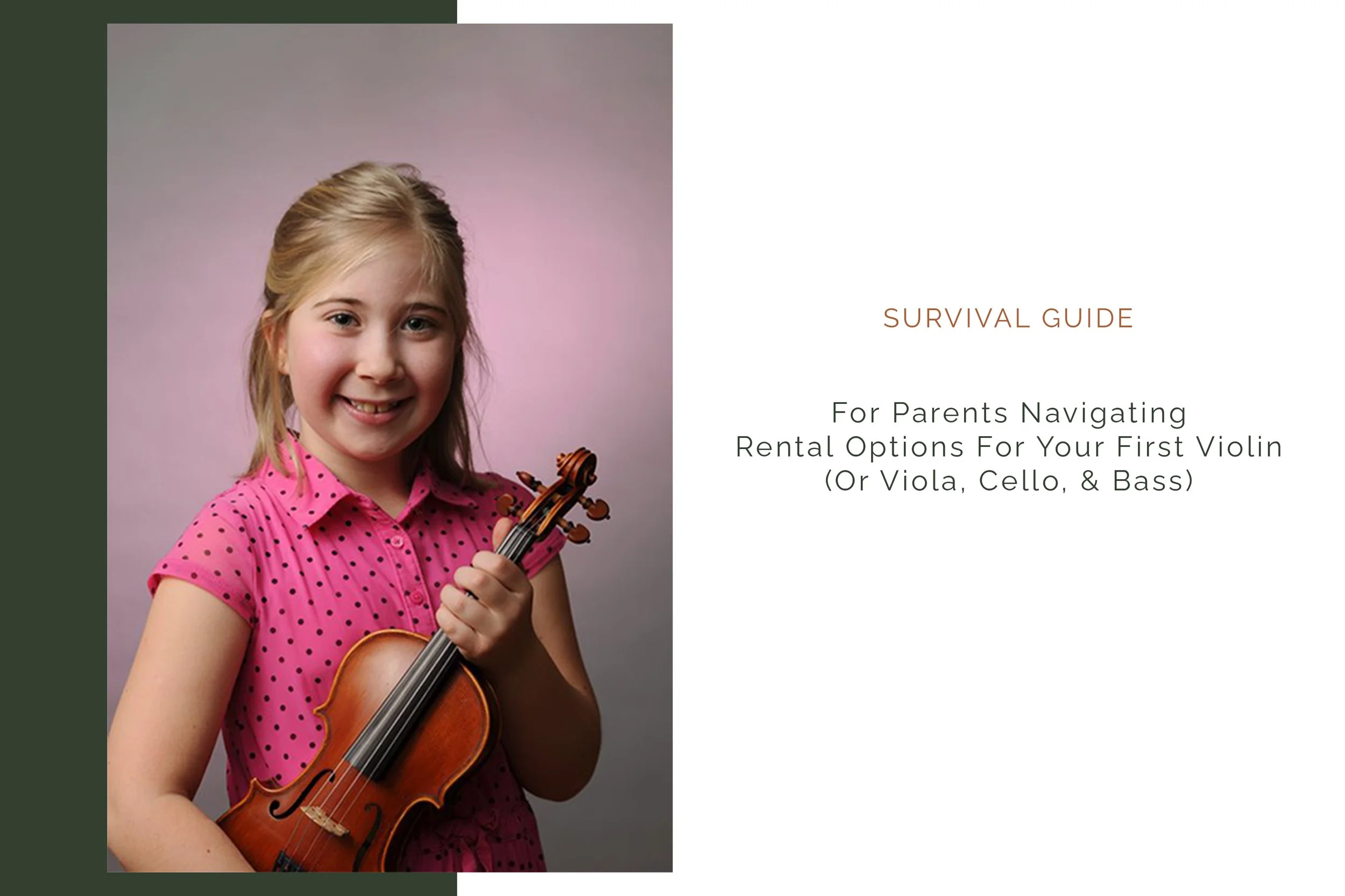
You’ve decided to play the violin or your child has announced his or her intention to play the cello and you are faced with the perplexing situation of trying to find one to rent. A quick search of the internet and you’ve discovered that there are plenty of shops around that offer rental programs for these instruments. Your challenge is to figure out which program makes the most sense for you! Which program will optimize your experience!
HOW TO SIZE YOUR CHILD FOR AN INSTRUMENT
Violins come in LOTS of sizes for children... our staff is always available to help determine which size instrument makes sense for your child. Schools and Suzuki programs, however, frequently size differently. Below are two general options. It is important to check in with your teacher to find out their specific preferences. The shop will defer to the teacher’s preferences.
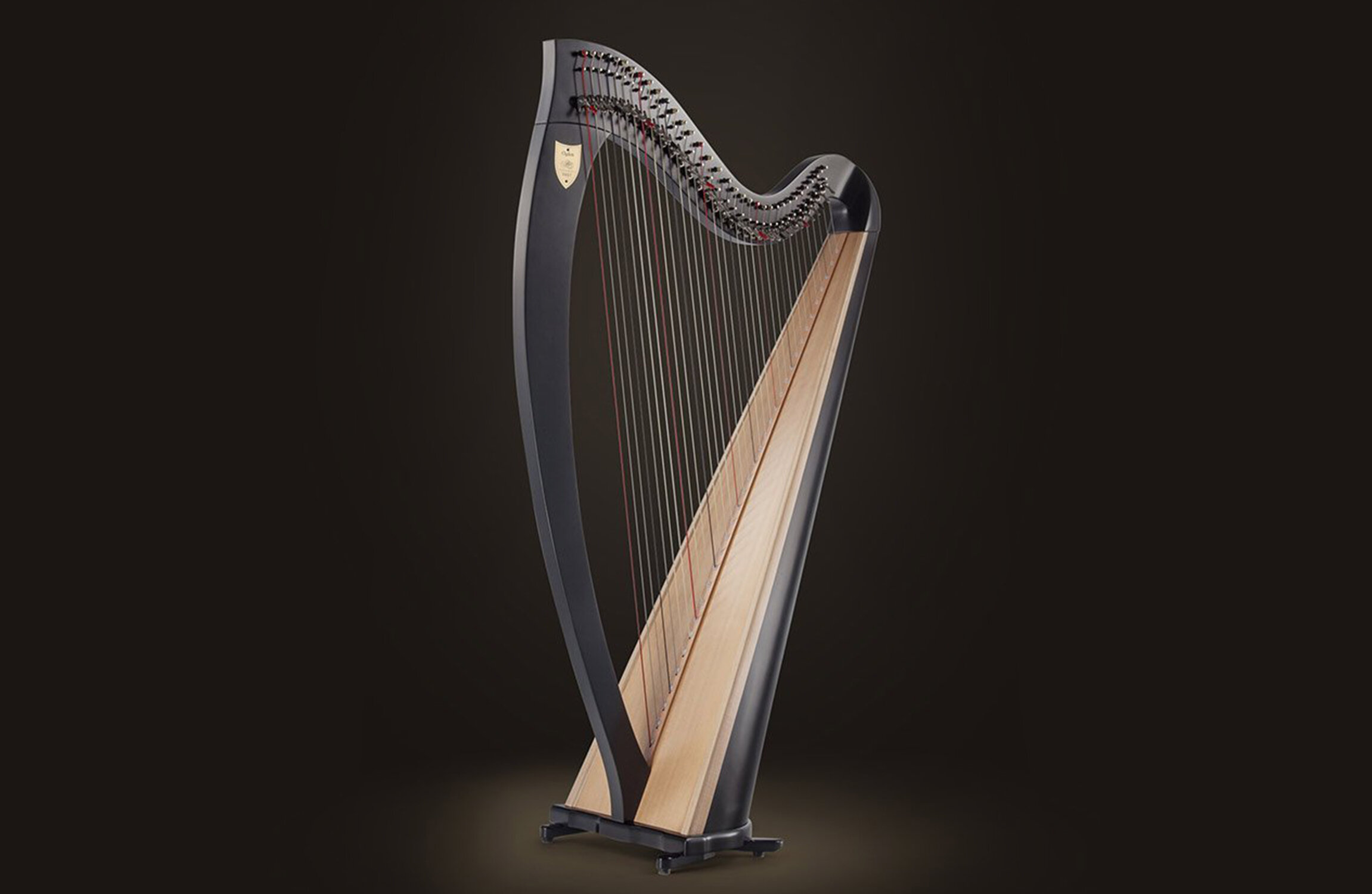
Getting Started With Harps!
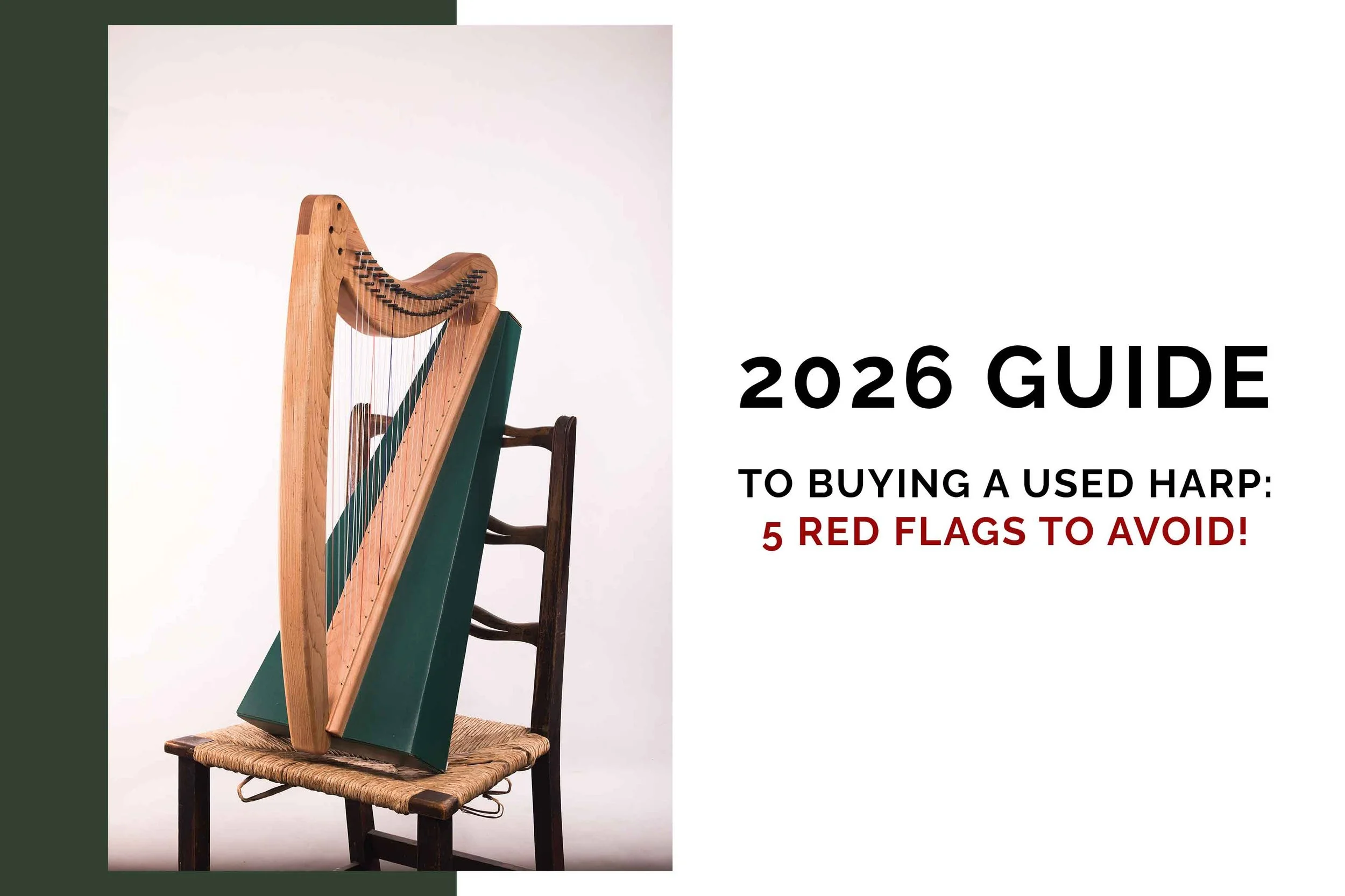
Whether you are new to music or have a lifetime of playing behind you, the Celtic Harp is one of the most immediately rewarding instruments you can play. We’re often asked: “is the Harp difficult to learn?” and the answer is no.
How To Choose a Harp? Getting Started…
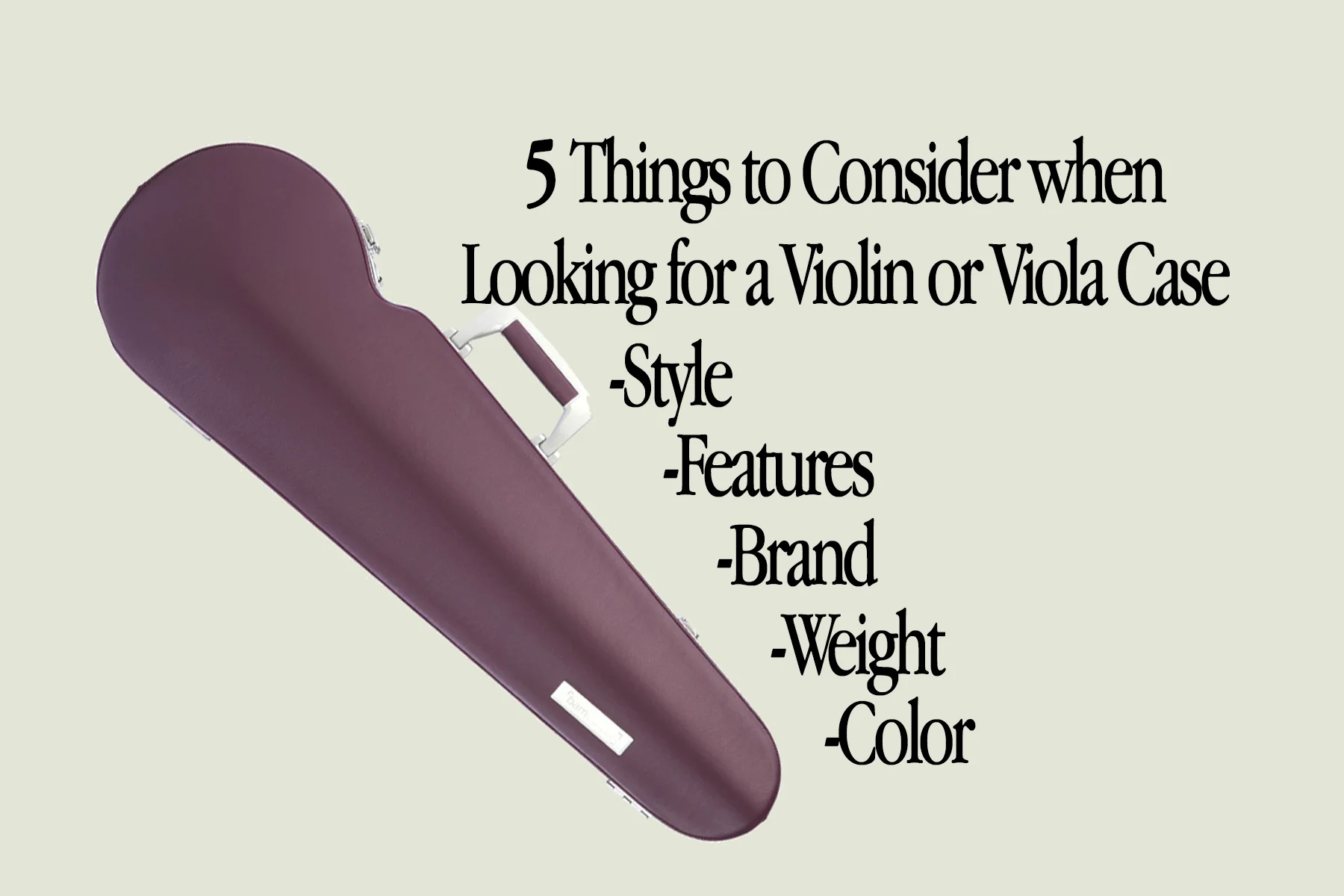
5 Things to Consider When Buying a Violin or Viola Case
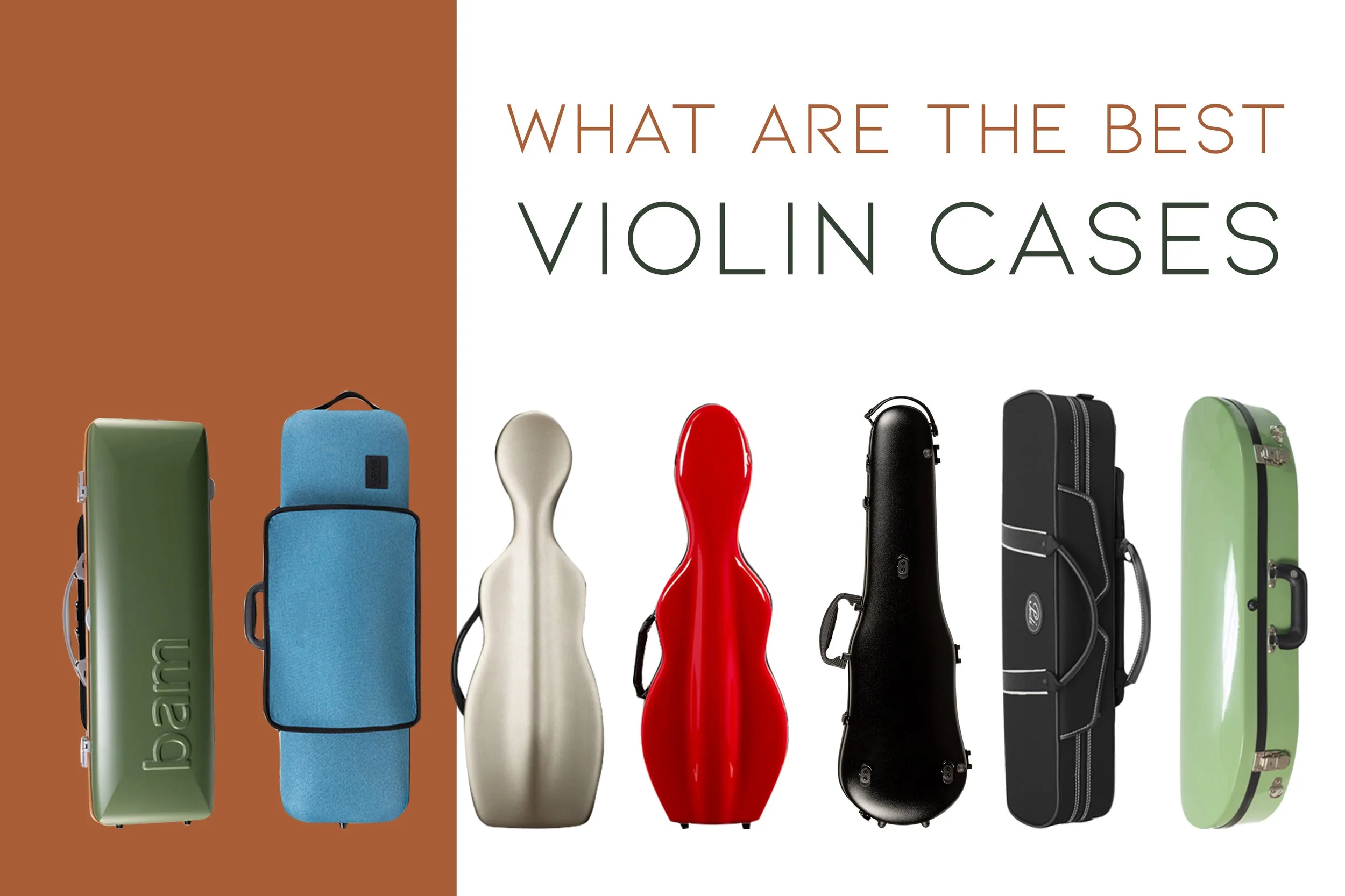
Looking for a new case for your instrument can be overwhelming. There are so many styles, brands, accessories, protection levels, and color choices that you might not know what you’re looking for. Gone are the days of the standard thermoplastic cases. Today’s string instrument cases are stylish, protective, and more affordable than ever!
When looking for a new case, we recommend planning ahead and deciding exactly what you need based on the following 5 factors.
Do Violins Make Good Investments?
The short answer is yes, absolutely. According the British newspaper, the Telegraph, when it comes to a safe haven for your money, little can beat a rare old violin. While gold, property, and other investment commodities often show short term rewards, the ups and downs of a mercurial marketplace can offset gains with sudden and often surprising losses. Witness the property crash in 2007 which precipitously shattered the notion that property, as investments, were “safe as houses.”
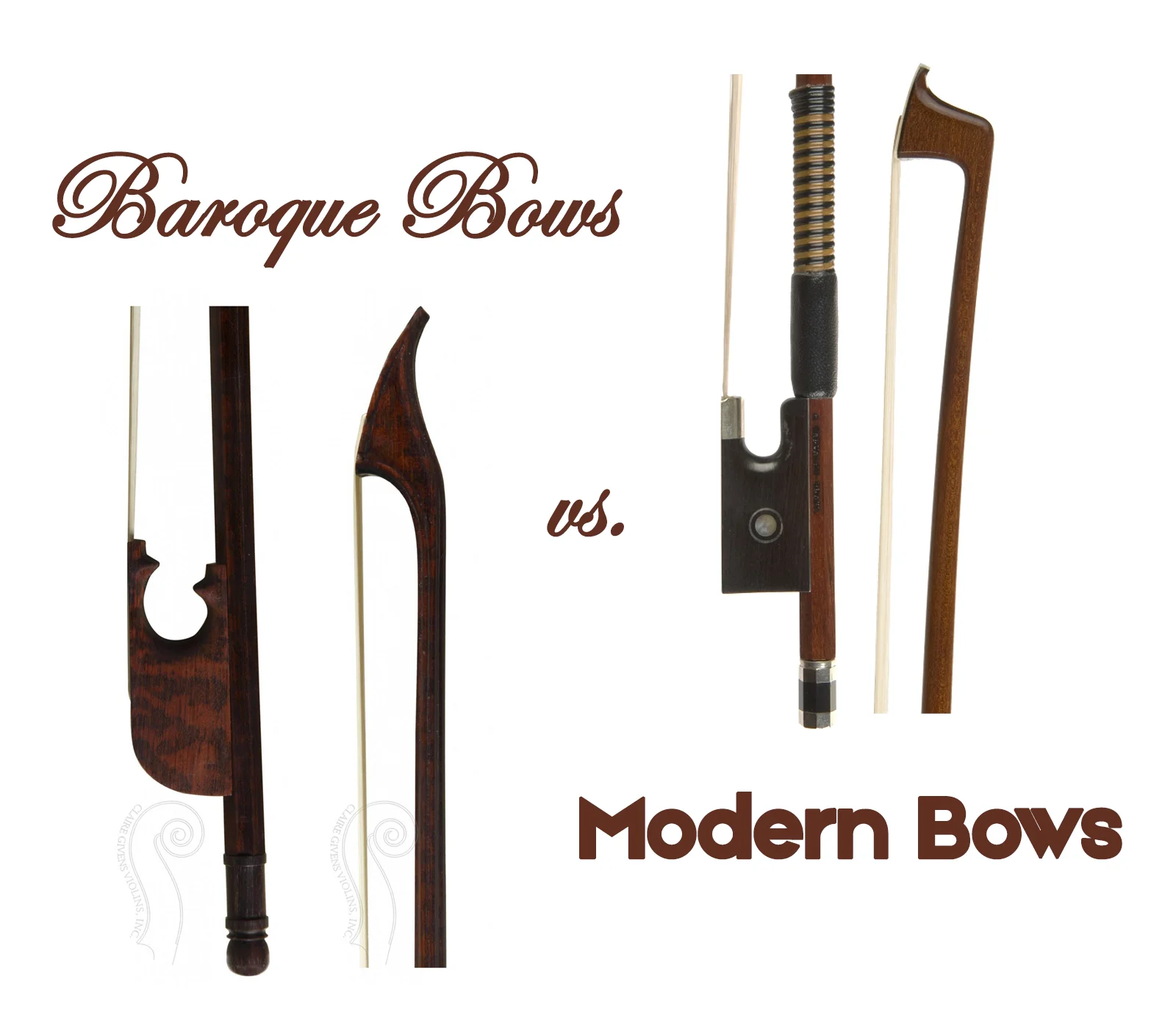
A Brief History of Baroque Bows
Although the modern conception of the violin has been pretty firmly in place for over a century, there was a significant era of innovation in violin and bow making in the early 19th century. During this period, music was changing dramatically, moving out of the early Baroque era into newer forms of music which put new demands on the instruments and the bows. A need for more power and response, eliciting fuller voices became essential, and violins were evolving to meet this need. Bows were now being charged with more legato, long-note playing, and the music was written to accommodate the larger opera houses being built throughout Europe.
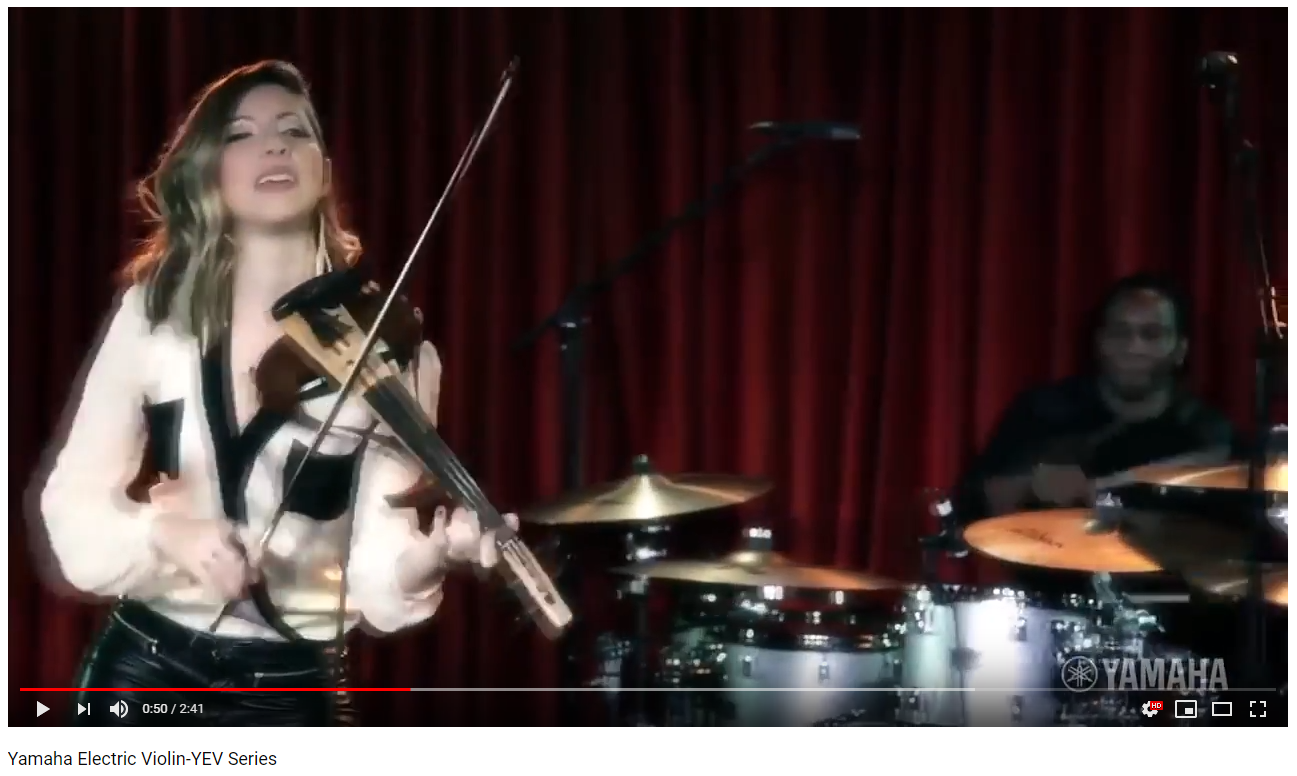
Yamaha Electric Violin Demonstration
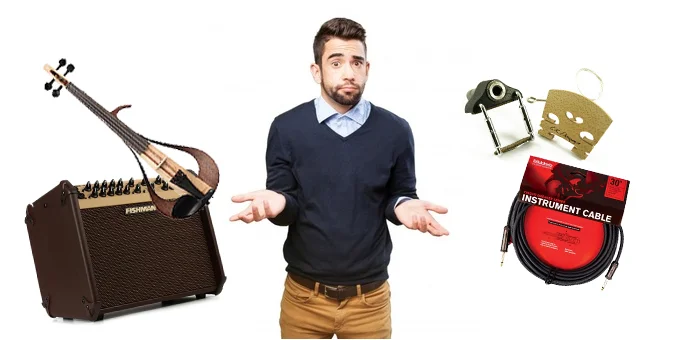
The Absolute Beginner's Guide to Going Electric
Electric instruments are everywhere in today’s music scene. You don’t have to look far to see an Indie band with an electric cellist, a punk rock band with an electric violinist, or even hip-hop using electric violins (looking at you, Black Violin!) Electric string instruments are being used in concerts by the Wu-Tang Clan, Kanye West, Katy Perry and more surprising artists. Going electric is a portal for a string musician into the entire world of genres outside of classical and traditional music. Electric instruments give string players flexibility to change not only their volume but their entire sound by adding filters, effects, and more to their set up.
Why Step-Up?
Determining the right time to Step-up your instrument or your student’s can seem overwhelming, especially given the variety available to choose from. Though many violins and violas are similar in appearance, not all are created equal, and playing the right instrument can make a world of difference for developing talent. With the guidance of both your instructor and Vermont Violins’ friendly staff, we can help ensure stepping-up to a new instrument will be a fun and exciting stage in your musical growth.
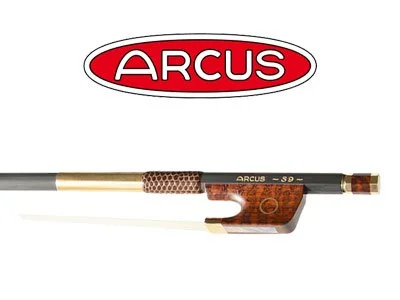
Pernambuco vs. Carbon Fiber Bows
What is the relationship between the bow and our instruments? Why do different bows make the instrument sound different? How do I choose the best bow in my price range? Should I try a carbon fiber bow as well as a Pernambuco bow?
Massimo Lucchi described the relationship between the bow and the violin this way: the bow produces the vibrations, the violin acts as an amplifier and transmits the vibrations. Coming from a bow making family, Massimo emphasizes the importance of the bow. Interestingly, professional players often converge with Massimo’s perspective over time, choosing an instrument and then a bow to develop the tone, dynamic range, and depth of the instrument.
How do I choose my instrument?
Check out our 4-part video series on how to choose an instrument! Kathy, a professional violist and owner of Vermont Violins, will walk you through the steps required to buy an instrument as well as some tips along the way to ensure you find the perfect match.
Should You Rent Vs Purchase Your Violin?
Should You Rent Or Purchase Your Violin? Whether you choose to rent or to purchase a violin, viola, cello or bass for your student, our program provides the flexibility you need to support your student’s playing.
When to rent:
You are not sure how long the student will play. A good idea for students (all ages) who have never played before or who took a long break from playing. Reasons students quit vary widely, but include: pain (often previous injuries particularly in the neck, hands, or back), lack of...
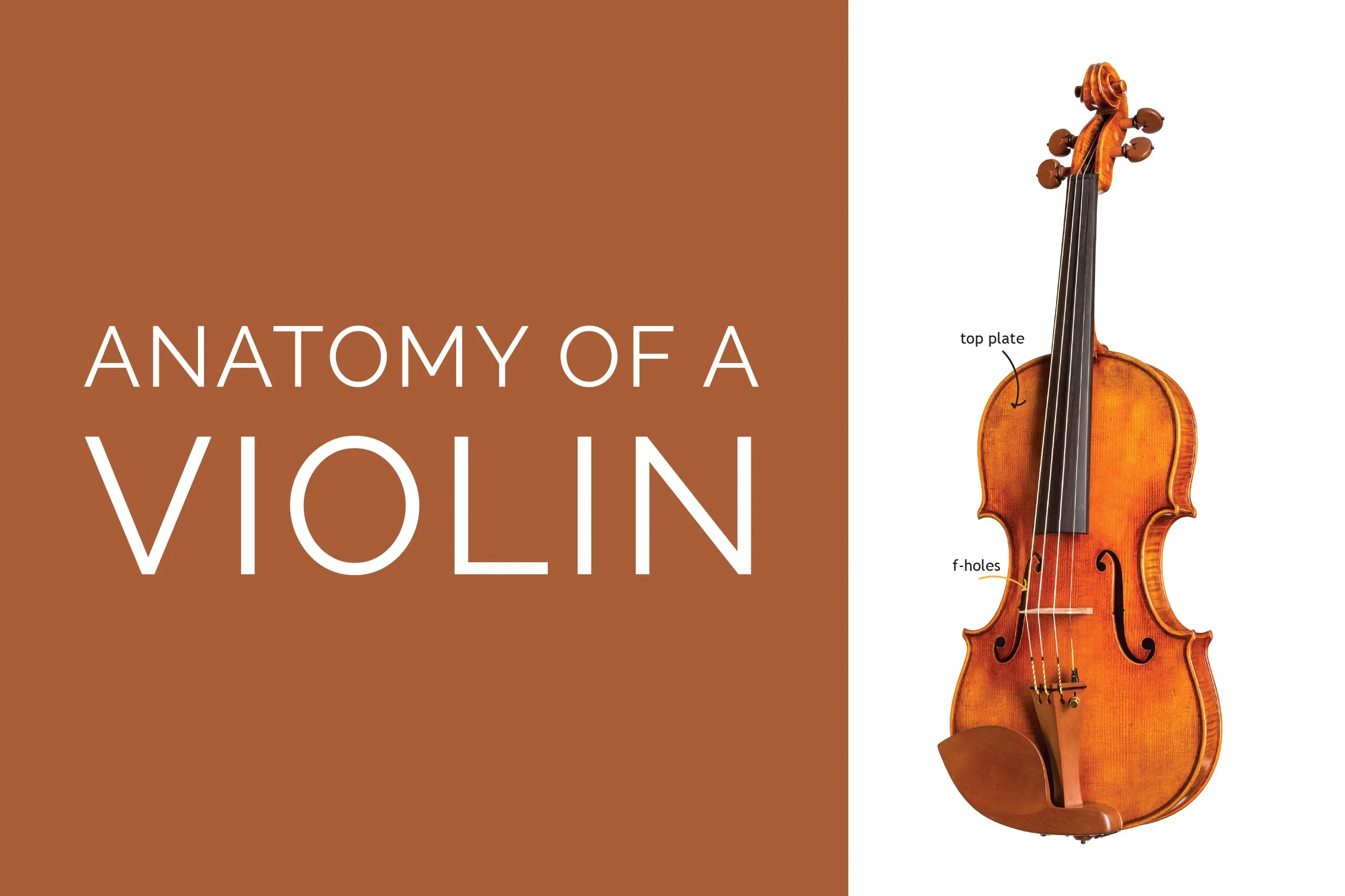
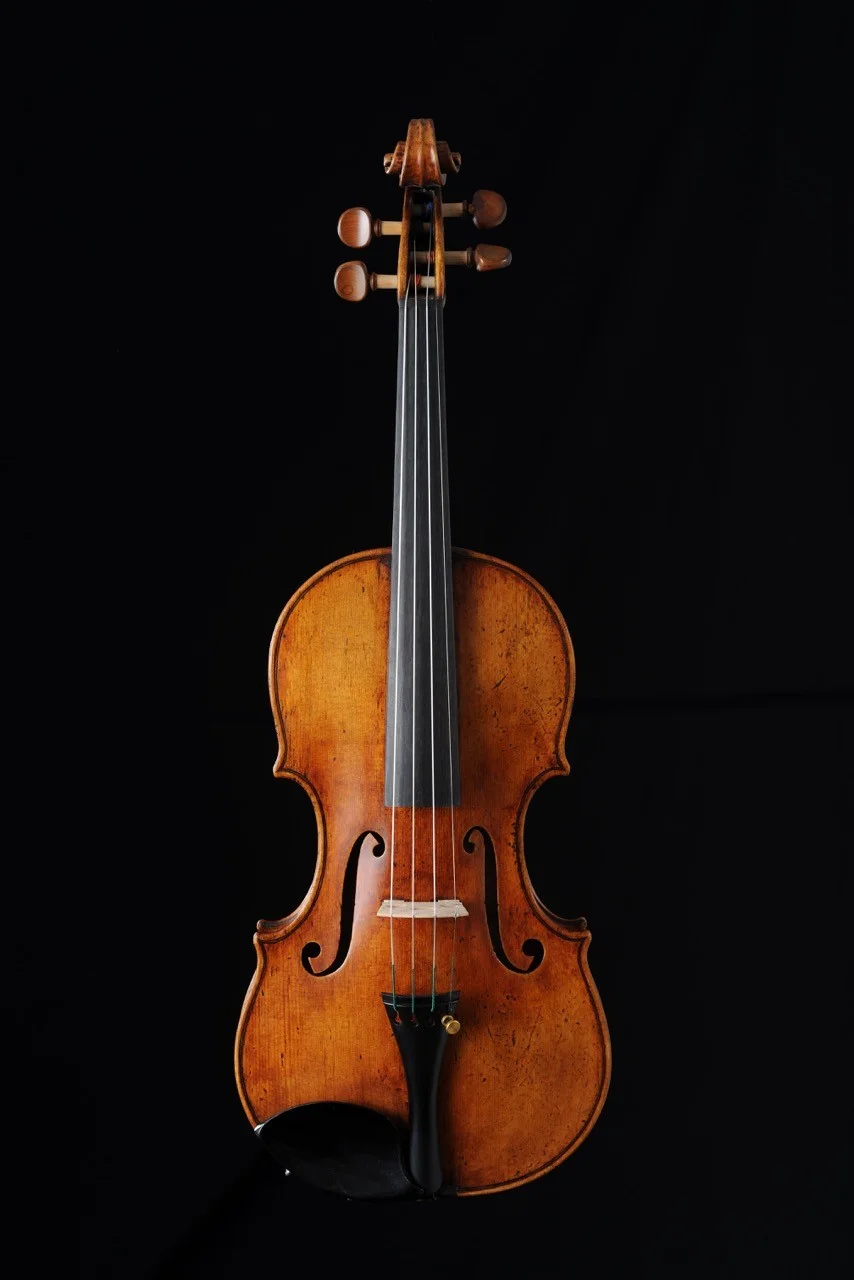
The violin, while seemingly simple, is a complex and beautifully crafted instrument. Understanding the anatomy of a violin can deepen your appreciation for this intricate instrument and enhance your playing experience.
Choose Sustainable Wood for Your Violin: Look for the FSC Label!
Want to make eco-conscious choices in violin making? Learn why the Forest Stewardship Council (FSC) certification is the gold standard for sustainable wood sourcing. From forests to workshops, FSC ensures responsible practices. Just Get OnBOARD! Support businesses like Vermont Violins committed to a greener future. Look for the FSC label – it matters!
Why Carbon-Fiber?
“Why should I choose a carbon-fiber bow?”
“Isn’t a wood bow the standard, especially for a wooden instrument?”
Whereas wooden bows have been used on strings instruments as early as the Islamic civilization in the 10th century, carbon-fiber bows only began to appear a few decades after high-tensile strength carbon-fiber was invented. CodaBow founder Stan Prosen had developed some of the earliest carbon-fiber parts with inventor Dr. Roger Bacon and had found in his early research a profound resonance in the new material. After years of testing and creating prototypes, early CodaBow bows had entered the market, and other music companies had begun developing their own versions to compete. Today, dozens of companies produce carbon-fiber bows in a large range of styles, price ranges, and instruments. With so many options on the market…
With the new limitations on Pernambuco import/export, bow owners must take extra precautions to ensure that their bow is both legally and ethically made. Pernambuco, an endangered wood species, is the most frequently used wood in bow making . The high prices this wood earns for this niche manufacturing and artisanal craft is largely responsible for the woods current significant decline in its natural habitat, Brazil. -It’s a little more complicated, yes, it is hard to plant elsewhere, but the Brazilian government does not allow the export of Pernambuco seeds/saplings either.
Sustainable Choices For String Instruments
By Brian Wise
All About Glue
Most people don’t spend a lot of time thinking about glue. However, luthiers think about glue a lot, and it’s a much more interesting topic than you would think! The type of glue one uses on a violin can impact its longevity and our ability to repair the instrument, which means it’s important for us to make sure we’re using the best glue possible. But which glue is the best kind of glue for violin making?
How did V. Richelieu get its name?
One of the most common questions we get asked about our Made in Vermont violins is; “who is V. Richelieu?” (“How do you spell that?” takes a close second).
So…You Want To Be a Luthier?
Vermont Violins is almost always looking for more luthiers to join our team – we thought we might offer a few thoughts on what we look for in new team members and how you can launch a career in violin making, repair and restoration.
Sonowood and the Search for Ebony Alternatives!
Sonowood is a wonderful alternative to the rare ebony in use on fingerboards, nuts and saddles. We are proud to be the North American importer of this fine material. It is at least as strong as ebony, visually beautiful and easy to work with. Ebony is a rare natural resource that needs to be protected. Finding natural alternatives, like Sonowood, should be a priority for violin makers and luthiers.
A Brief Interview with violin-maker Marit Danielson
I sit down with Marit Danielson to ask her about her thoughts on women in music. Though Marit is a graduate from the Manhattan School of Music in Viola Performance and of the North Bennet Street School in lutherie, I have to research a bit to get these pieces of information. She is a prolific violin maker and bow expert. She has worked with some of the premier makers in the United States and has sold countless violins to professional players nationally and internationally. She is also humble and would much rather be on a walk with her dog, Bromley, than having me ask her questions while she is being audio recorded.
History of the LucchiMeter
“I often happened to be working on two sticks that, when first examined, appeared to share the same characteristics, but ended up as bows with completely different qualities. This was the eternal dilemma – how to choose the most suitable wood.
They say that the famous violin makers of the past made great progress by noting that the speed with which wood propagated sound was a fundamental element in checking the quality of the sound.
For me, the only possible solution in those days was to travel all over Brazil with a friend and his son who lived there, or to go with Massimo to Germany…
When do I need to rehair my bow and why?
In general, we recommend a bow rehair every six months to a year, ideally at the beginning of the winter and summer. Rehairing maintains the physical condition of the bow and enhances playability. Bowhair is extremely responsive to humidity conditions. In fact, historically, bow hair was used on ships to monitor changes in the air’s relative humidity. The hair stretches in warm, moist weather and contracts in cold, dry weather. When we rehair a bow, it is difficult to find a length of hair that works for both extremes in our climate – we can have 80% relative humidity in the summer and 10% relative humidity in the winter. The hair can shrink as much as an inch going from summer to winter. For some bows, in particular “soft” bows, the sticks flex more when the hair length changes between seasons.
Why does the sound post matter?
If you don’t like the weather, wait 10 minutes.
That can work if you’re hiking, but when you have three concerts on the weekend, the constant changes in temperature and humidity can drive you, and your instrument, crazy! Is it time to “adjust” the sound post?
The sound post plays an important role transferring the vibrations from the top plate to the back plate. The sound post is fit to both the back and top plates, and is precisely placed in a position relative to the bridge and the bass bar. Because the top plates and back plates are curved, the sound post will fit properly, with all points touching, in only a small area. To get the optimal sound, the sound post will have to fit properly, and be the proper length so the post puts enough pressure on the top and back plates to stay upright and support the softer spruce top.
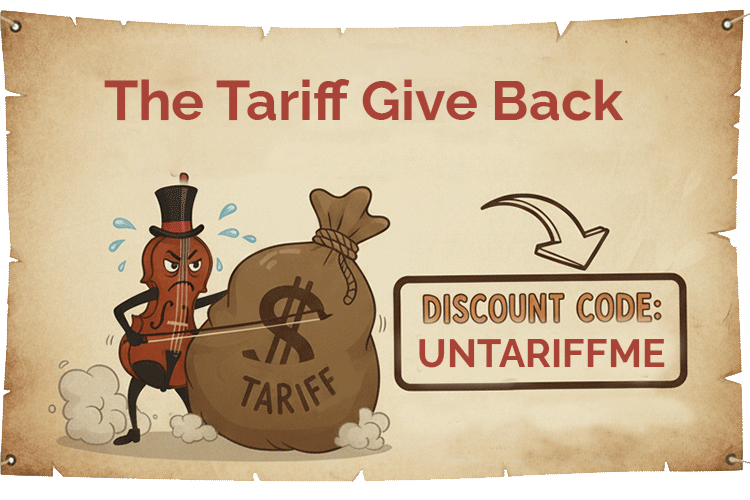
So, here’s the deal: we've calculated the tariff tax on your happiness and decided to subsidize it by UNcharging you in the form of an UNtariff Untax….ie, a special discount.
Read this blog to learn more about - What’s an UNtariff?
We all feel it—that heaviness when scrolling through the news, that sense of unease settling into our daily lives. But here's something we know for certain: your soul needs nourishment just as much as your body does.
The Impact of Recent Tariffs
In the past few months, the global economy has experienced significant shifts due to changing trade policies and the imposition of additional tariffs on goods coming from China, Europe and other parts of the world.
Vermont Violins Wins Prestigious SBA Exporter Of The Year
Vermont Violins has been awarded the Small Business Exporter of the Year by the SBA Vermont District Office, recognizing their global expansion and commitment to sustainability. This achievement is largely attributed to their innovative GaiaTone material, a revolutionary alternative to traditional ebony, crafted from 100% post-consumer recycled paper.
Join Vermont Violins on a 30-year musical journey! From humble beginnings in 1994 to navigating global changes, we celebrate diversity, craftsmanship, and sustainability. Explore our evolving story!
‘My home and my violin shop are completely destroyed’: a call for help from a Mariupol luthier
A Ukrainian violin maker whose livelihood has been devastated by the ongoing Russian invasion is calling for help.
This is an unabashed plug for a string-oriented music camp if your child plays a bowed, string instrument. Here is why:
1) Maintaining fine motor skills.
2) Expanding the student’s peer group
3) Having fun with music
Can Music Ever Be Centrally Controlled?
I was surprised to read (The Economist, 12/21) that it was Chile's short-lived President, Salvador Allende, that first tried in 1973 to implement a computer-driven HQ for managing a complex economy. He brought in a Super-Computer (probably similar in superness to today's calculator), built a command center to house it (apparently borrowing features from the Brig of the Starship Enterprise, but adding a minibar) and got to work planning and controlling the newly nationalized economy. His regime was overthrown by the brutal Pinochet regime before he could make much of a start on it...and Pinochet preferred the tried and true old fashioned ways of rule: torture, suppression and fear.
El Sistema in Vermont – Supporting Community Music for Kids!
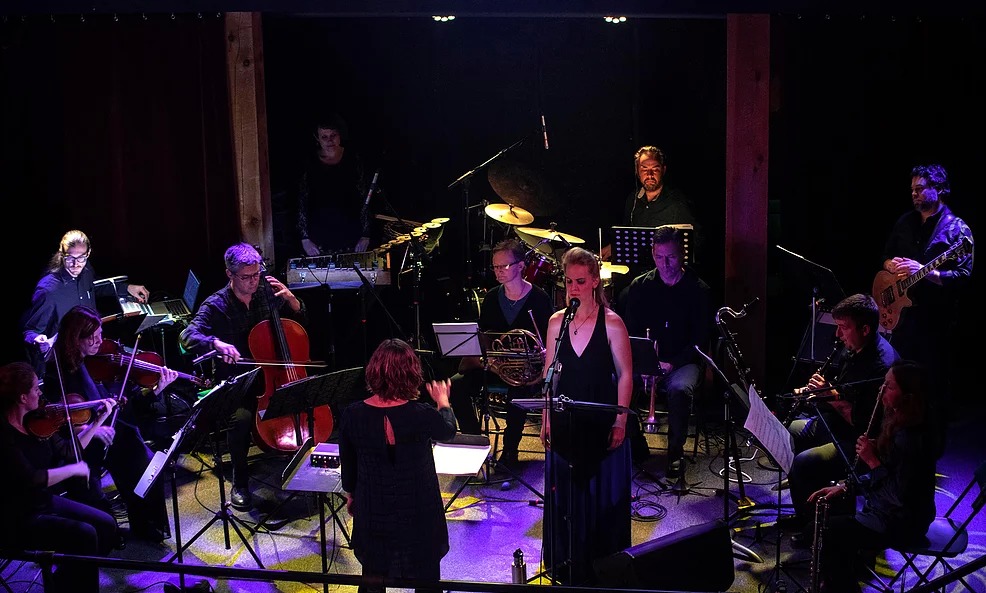
As part of our commitment to giving back to the communities we serve, and to foster a love for music among all our children, Vermont Violins has been an active supporter and partner to many string programs serving under-served and financially challenged communities in our region. From Winooski to St. Johnsbury, we have been providing low-cost instruments to help sustain programs that bring violin instruction to schools that are dedicated to enriching the lives of even our states least privileged individuals.
What is Fiddleheads?
Fiddleheads is a program of Young Tradition Vermont, hosted by Vermont Violins and the Burlington Violin Shop. It is dedicated to bringing kids together to learn and enjoy traditional music in all its forms in a low-key, non-competitive, session. Kids of all levels are invited to join a monthly play-together, led by a master fiddler or musician recruited from the professional traditional music community of Vermont and her neighbors.
Why should I go to a contemporary music concert?
I have played some pretty crazy music as a violist. Music that looked more like a scientific analysis on the page than notes. Music that used my bow as a percussive instrument rather than a string instrument. Music that asked me to make sounds I’m pretty sure my instrument will never do again. As a performer it was fun, challenging, exhilarating! But if I were asked to sit in the audience – would I have sat in that audience? What was the goal? Why would I want to go to a contemporary music concert as a parent of a string instrument student – and should I take my child?
Practice Cookies
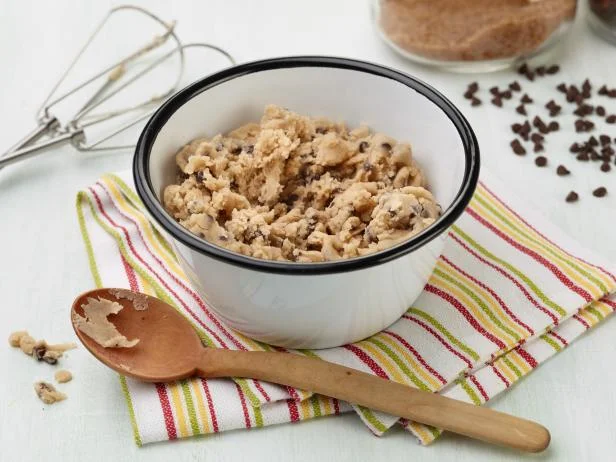
There is nothing like a cold, snowy day to inspire a warm cookie baking session. The icing and decorations provide a colorful contrast to the stark white flakes floating down our windows. The cookies warm us up as we play games or come in from yet another round of shoveling.
So, here’s the deal: we've calculated the tariff tax on your happiness and decided to subsidize it by UNcharging you in the form of an UNtariff Untax….ie, a special discount.
Read this blog to learn more about - What’s an UNtariff?
We all feel it—that heaviness when scrolling through the news, that sense of unease settling into our daily lives. But here's something we know for certain: your soul needs nourishment just as much as your body does.
The Impact of Recent Tariffs
In the past few months, the global economy has experienced significant shifts due to changing trade policies and the imposition of additional tariffs on goods coming from China, Europe and other parts of the world.
Vermont Violins Wins Prestigious SBA Exporter Of The Year
Vermont Violins has been awarded the Small Business Exporter of the Year by the SBA Vermont District Office, recognizing their global expansion and commitment to sustainability. This achievement is largely attributed to their innovative GaiaTone material, a revolutionary alternative to traditional ebony, crafted from 100% post-consumer recycled paper.
Join Vermont Violins on a 30-year musical journey! From humble beginnings in 1994 to navigating global changes, we celebrate diversity, craftsmanship, and sustainability. Explore our evolving story!
‘My home and my violin shop are completely destroyed’: a call for help from a Mariupol luthier
A Ukrainian violin maker whose livelihood has been devastated by the ongoing Russian invasion is calling for help.
This is an unabashed plug for a string-oriented music camp if your child plays a bowed, string instrument. Here is why:
1) Maintaining fine motor skills.
2) Expanding the student’s peer group
3) Having fun with music
Can Music Ever Be Centrally Controlled?
I was surprised to read (The Economist, 12/21) that it was Chile's short-lived President, Salvador Allende, that first tried in 1973 to implement a computer-driven HQ for managing a complex economy. He brought in a Super-Computer (probably similar in superness to today's calculator), built a command center to house it (apparently borrowing features from the Brig of the Starship Enterprise, but adding a minibar) and got to work planning and controlling the newly nationalized economy. His regime was overthrown by the brutal Pinochet regime before he could make much of a start on it...and Pinochet preferred the tried and true old fashioned ways of rule: torture, suppression and fear.
El Sistema in Vermont – Supporting Community Music for Kids!
As part of our commitment to giving back to the communities we serve, and to foster a love for music among all our children, Vermont Violins has been an active supporter and partner to many string programs serving under-served and financially challenged communities in our region. From Winooski to St. Johnsbury, we have been providing low-cost instruments to help sustain programs that bring violin instruction to schools that are dedicated to enriching the lives of even our states least privileged individuals.
What is Fiddleheads?
Fiddleheads is a program of Young Tradition Vermont, hosted by Vermont Violins and the Burlington Violin Shop. It is dedicated to bringing kids together to learn and enjoy traditional music in all its forms in a low-key, non-competitive, session. Kids of all levels are invited to join a monthly play-together, led by a master fiddler or musician recruited from the professional traditional music community of Vermont and her neighbors.
Why should I go to a contemporary music concert?
I have played some pretty crazy music as a violist. Music that looked more like a scientific analysis on the page than notes. Music that used my bow as a percussive instrument rather than a string instrument. Music that asked me to make sounds I’m pretty sure my instrument will never do again. As a performer it was fun, challenging, exhilarating! But if I were asked to sit in the audience – would I have sat in that audience? What was the goal? Why would I want to go to a contemporary music concert as a parent of a string instrument student – and should I take my child?
Practice Cookies
There is nothing like a cold, snowy day to inspire a warm cookie baking session. The icing and decorations provide a colorful contrast to the stark white flakes floating down our windows. The cookies warm us up as we play games or come in from yet another round of shoveling.
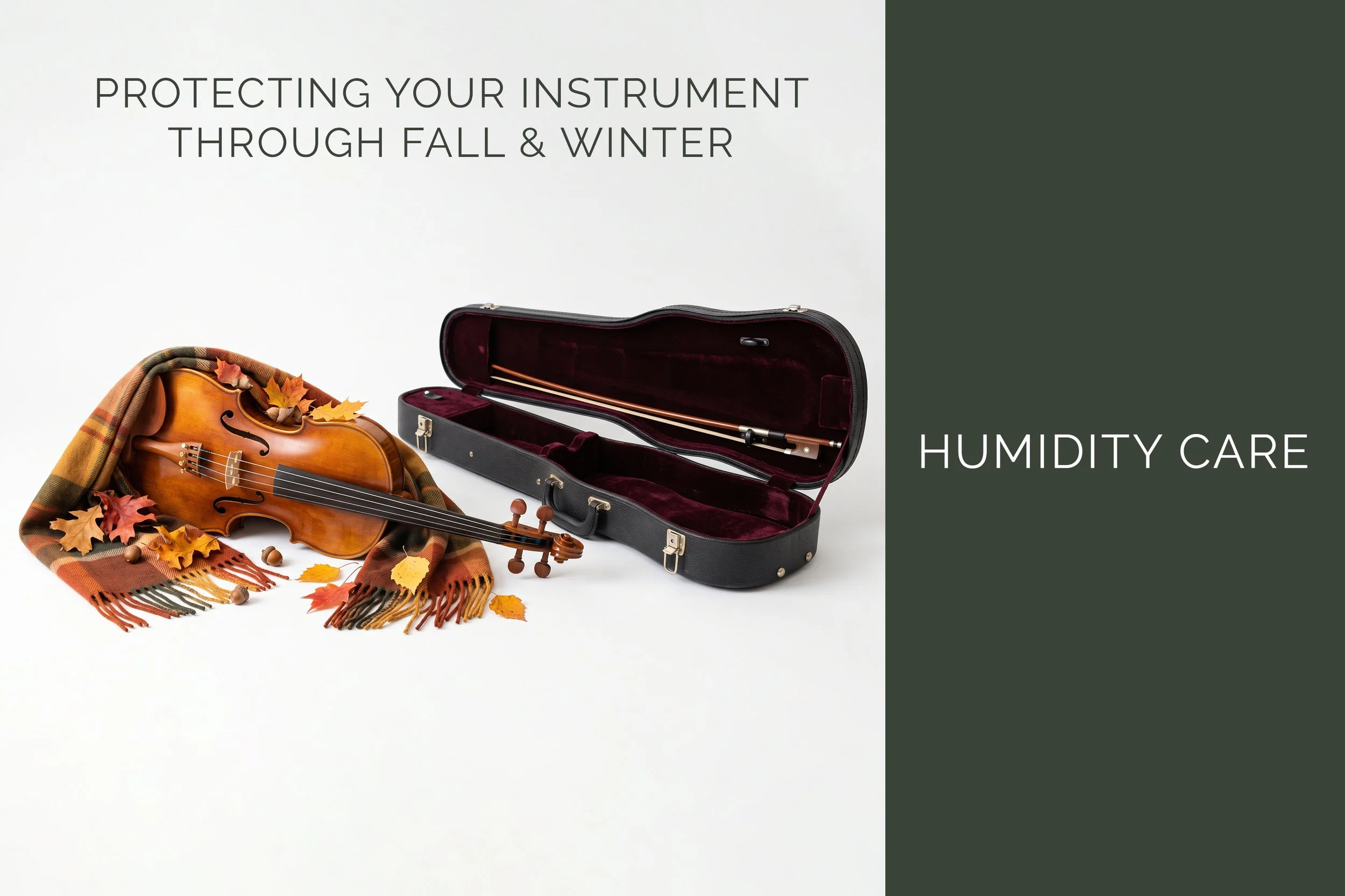
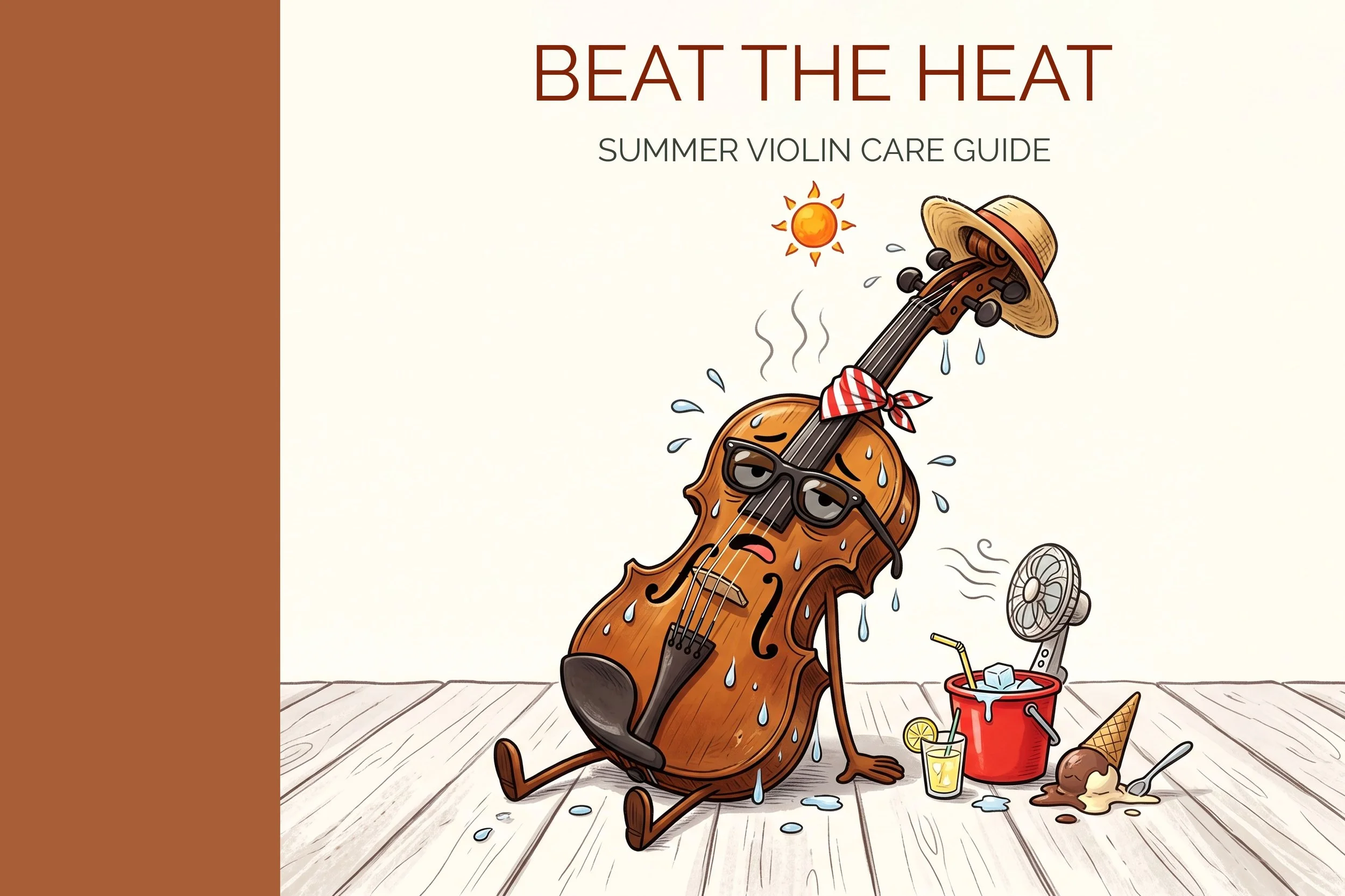
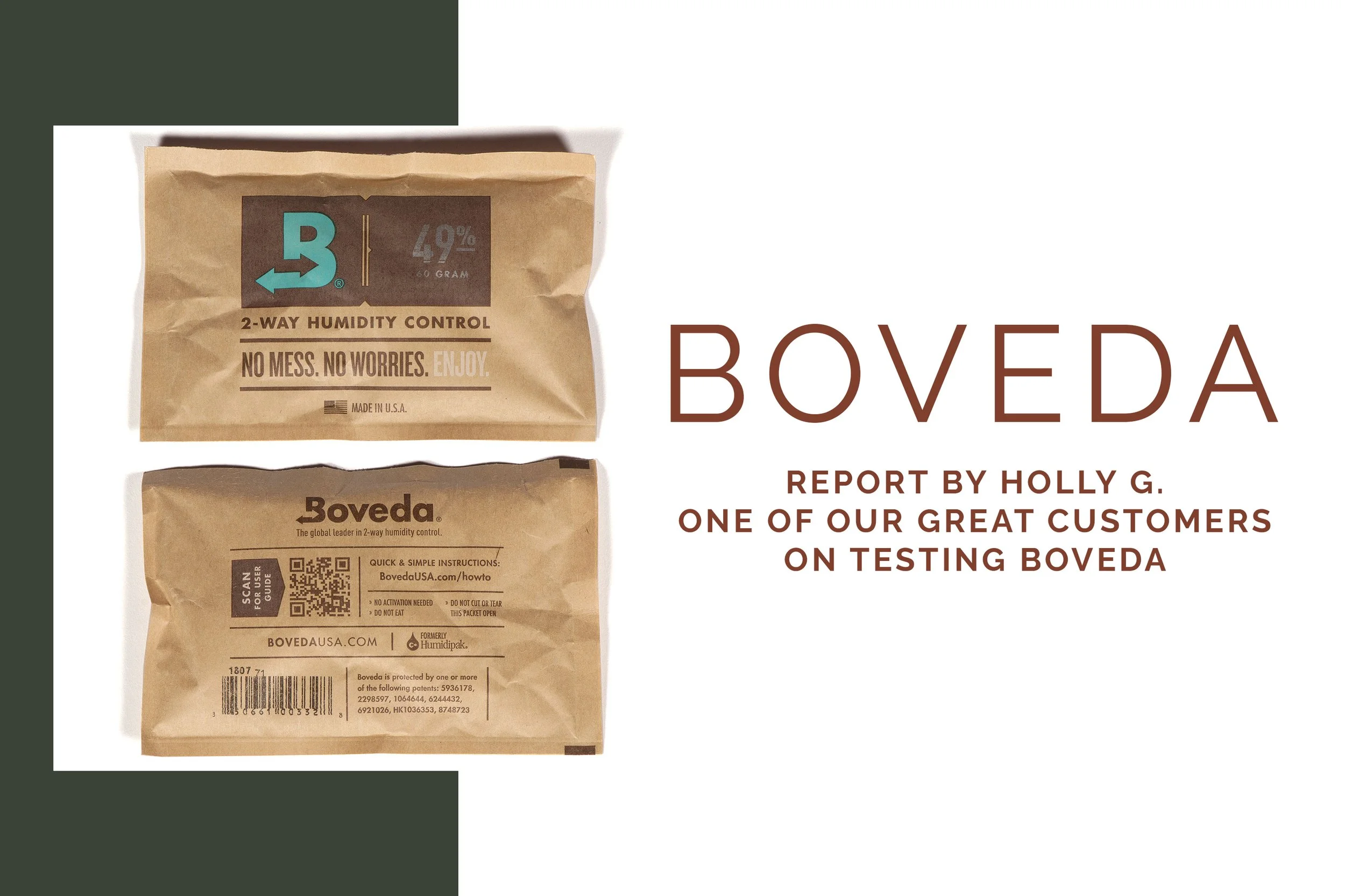
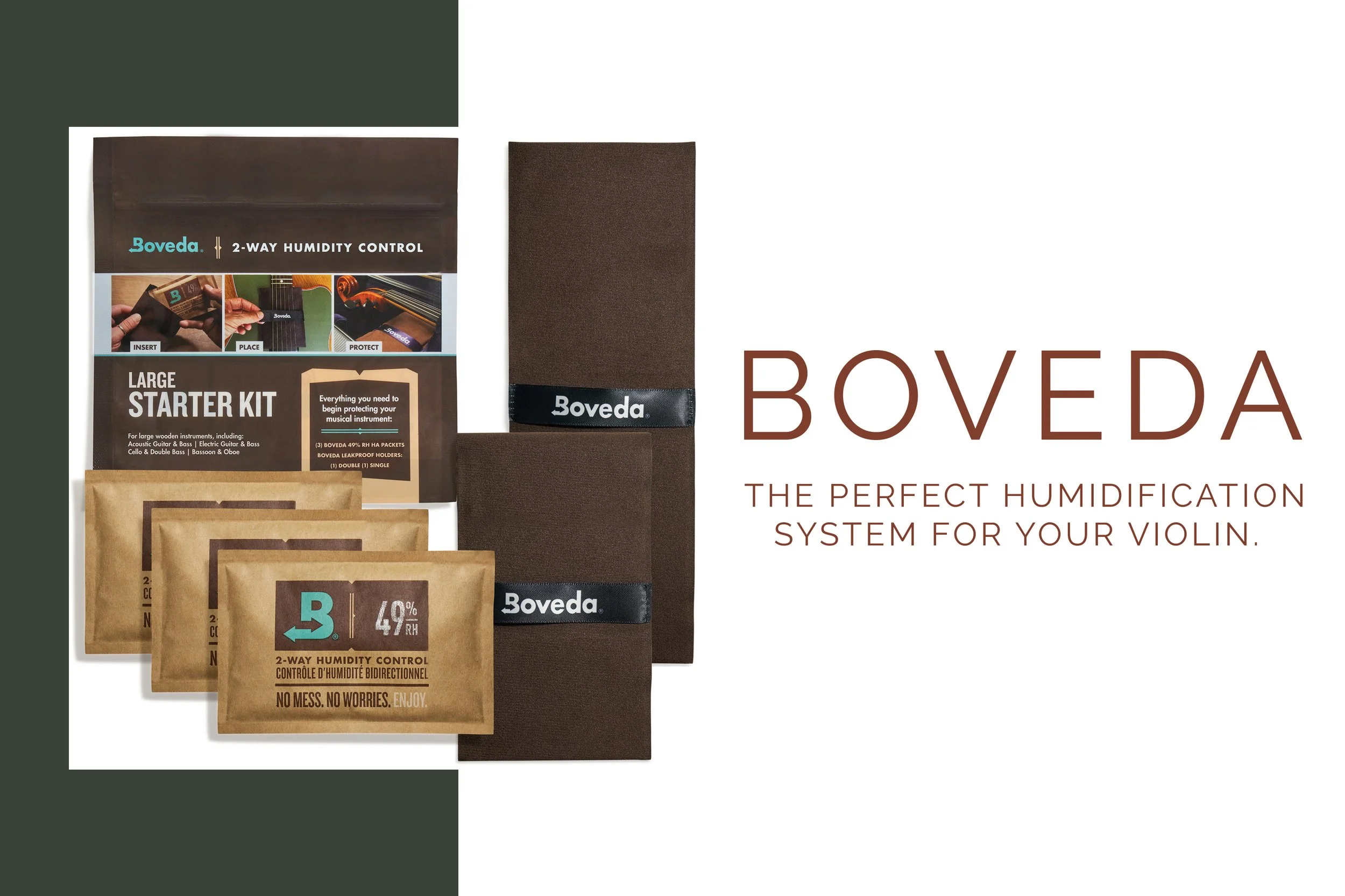
While a room humidifier is the ultimate solution, having a humidifier inside your case is often the best and most reliable solution. There are many himidification products on the market to help, but only one we highly recommend: the Boveda system.
Ever wondered why a new violin or cello bridge costs so much? It's not just a piece of wood, but a crucial investment in your instrument's sound and playability, requiring hours of expert craftsmanship. Discover why this seemingly small component commands a high price and why it's absolutely worth every penny for your instrument's optimal performance.
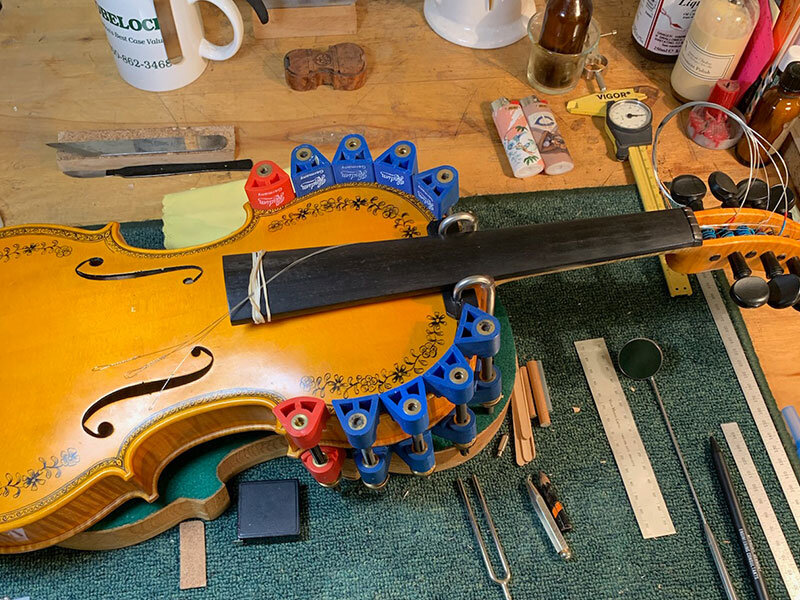
Violin Repair: Don't Let Just Anyone Touch Your Instrument!
Entrusting your violin for repair is serious business. Unlike many trades, there are no regulations, so finding a true expert is key. Learn what to look for before you hand it over.
The Cello Endpin!
Ever wondered how cellists manage to keep their majestic instruments so steady? It's all thanks to the humble endpin! This seemingly simple rod, extending from the cello's bottom, has a fascinating history and a surprising impact on sound and comfort. From its wooden beginnings to modern carbon fiber marvels, the endpin has evolved alongside the cello itself. Let's delve into the world of endpins, exploring their history, materials, and how they can transform your playing.
Instrument Humidification
The weather in New England can fluctuate very rapidly. Both temperature and humidity can change on a dime. As bad as these changes can sometimes be for us, it can be even worse for stringed instruments. Violins, violas, ‘celli and basses are incredibly sensitive to humidity changes, more so than temperature. You know how the doors of your house swell in the summer and creak and crack in the winter? The same thing is happening to your instrument. Since your instrument is constantly under tension from the strings, getting too dry can lead to extreme (and expensive) damage.
Why do seams open? What do I do if I have an open seam?
How do you know a seam has opened? Perhaps there was a “pop”, or your instrument started buzzing. Sometimes it is more obvious, like the large 4” gap between the back and the rib on the bottom of your cello. The seams are the equivalent of the canary in the coal mine for string instruments in the winter. They are the release valve that opens, hopefully, before the tension causes the top or back plate to crack.
Should I Have My Instrument Checked Up By a Luthier?
Have you ever: picked up your violin and thought: "you know, I used to really love this violin....I wonder why?" Chances are, the violin is out of adjustment.
As weather changes and humidity levels rise and fall, instruments start to change. Wood expands and contracts and as it does, the set ups, once perfect, not longer perfectly match the instrument and the tonal quality suffers.
Building a Home Environment That Nurtures Musical Growth
Your child has a new instrument and is eager to learn. You are not a musician and perhaps have only a limited understanding of the journey s/he is about to begin. How do you create a home environment that really encourages the music, the playing, experimentation.
What Should I Do If I am Travelling with My Instrument? Tips for Safe Travels!
Are you moving across country? Going on a long-distance vacation? Can’t bear to be without your trusted violin or cello? Taking your instrument to a new place can be fraught and nerve-wracking, but with some care and precaution, travelling can be perfectly safe.
We travel routinely with our instruments: we rarely step onto an airplane without a violin or cello. But we take care to make sure that our precious cargo arrives safely. Here are some carefully considered tips.
Developmental Differences and Why Your Kid Is Doing Fine
Parenting a young musician is as much of a commitment as being one. As the school year wraps up, many parents are evaluating if their child can, should, or wants to continue with strings. These questions may be further convoluted by doubt in a child’s abilities or motivation. Why won’t my kid practice? Why do other kids sound better? Should we throw in the towel? To shed light on such matters, it helps to look at where music education fits in to general childhood development. I’ll spoil the end before I get there; your kid is doing fine. We’ll get to those individual questions in future editions of this column.
7 Tips to Get Your Child to Practice
You’ve just picked up your child’s new instrument, everyone is smiling, your child promises to practice, everything is great! Two weeks later, the instrument is collecting dust, and the word practice brings tears and tantrums. What went wrong???
Keep it simple & small:
Take 1-2 measures, or a line, and have them play it carefully 5 times. Reward, then move on to another small piece and repeat.
Routine – same time and place each…
Kathy's Audition Tips
Many events and organizations require auditions for would-be attenders. Our local orchestras, All-State and All-New Englands require auditions as do many summer camps…and of course music colleges and advanced programs for our high school seniors. Some teachers ask for auditions to admit students into their studios.
Auditions can be scary! But there are a lot of things you can do to prepare yourself for the best experience. You can learn a lot about yourself and your playing by performing an audition. It can and should be a good experience.
Remember: not all auditions are “screeners”. There is no failing these auditions: your seat in an orchestra, for example, might be allocated according to the audition (not whether you get a seat) and it is an opportunity for the Music Director to get a sense of your capacities as he makes musical decisions about repertoire and seating. You want to get an appropriate seat: being placed beyond your capacities, or below, can be a bummer.
Imagine the harp, not solely for its melodic capabilities, but as an object of inherent beauty and profound stillness. Crafted from the most exquisite materials—rich, resonant woods that speak of forests and time, gleaming metals that catch and refract light, and intricate details that are the hallmark of artisanal mastery—a harp possesses an innate ability to transform an environment.