
BAROQUE INSTRUMENT MAKING
Echoes of the Past, Crafted for Today BY SARAH PECK
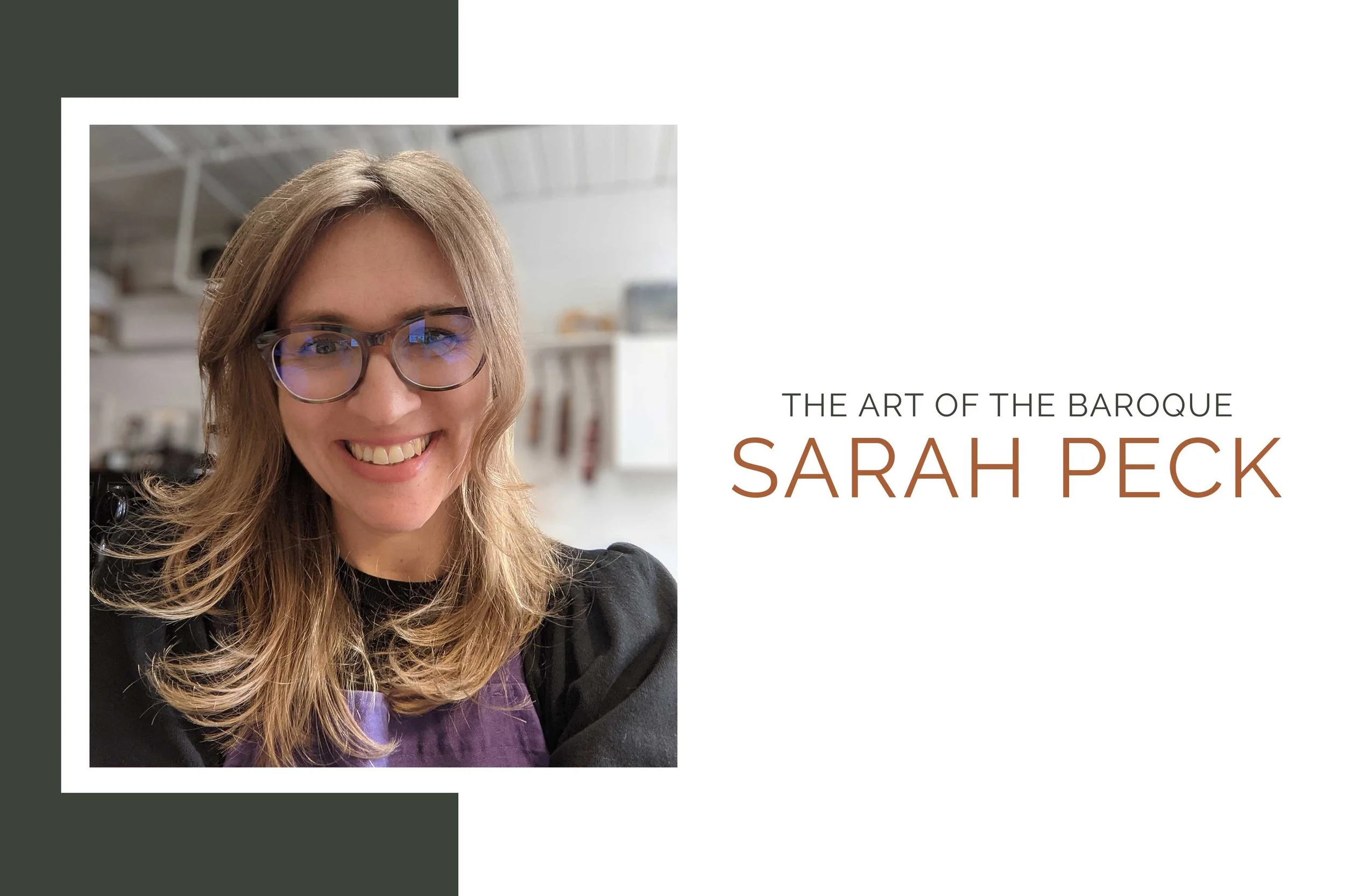
With a career spanning over fifteen years in violin making and restoration, Sarah Peck’s primary focus lies in bridging the gap between historical craftsmanship and the performance needs of today's musicians. Driven by a deep passion for early music, history, and the instruments themselves, Sarah brings a unique expertise, particularly in the application of early musical instruments informed by a decade dedicated to the study of Baroque music.
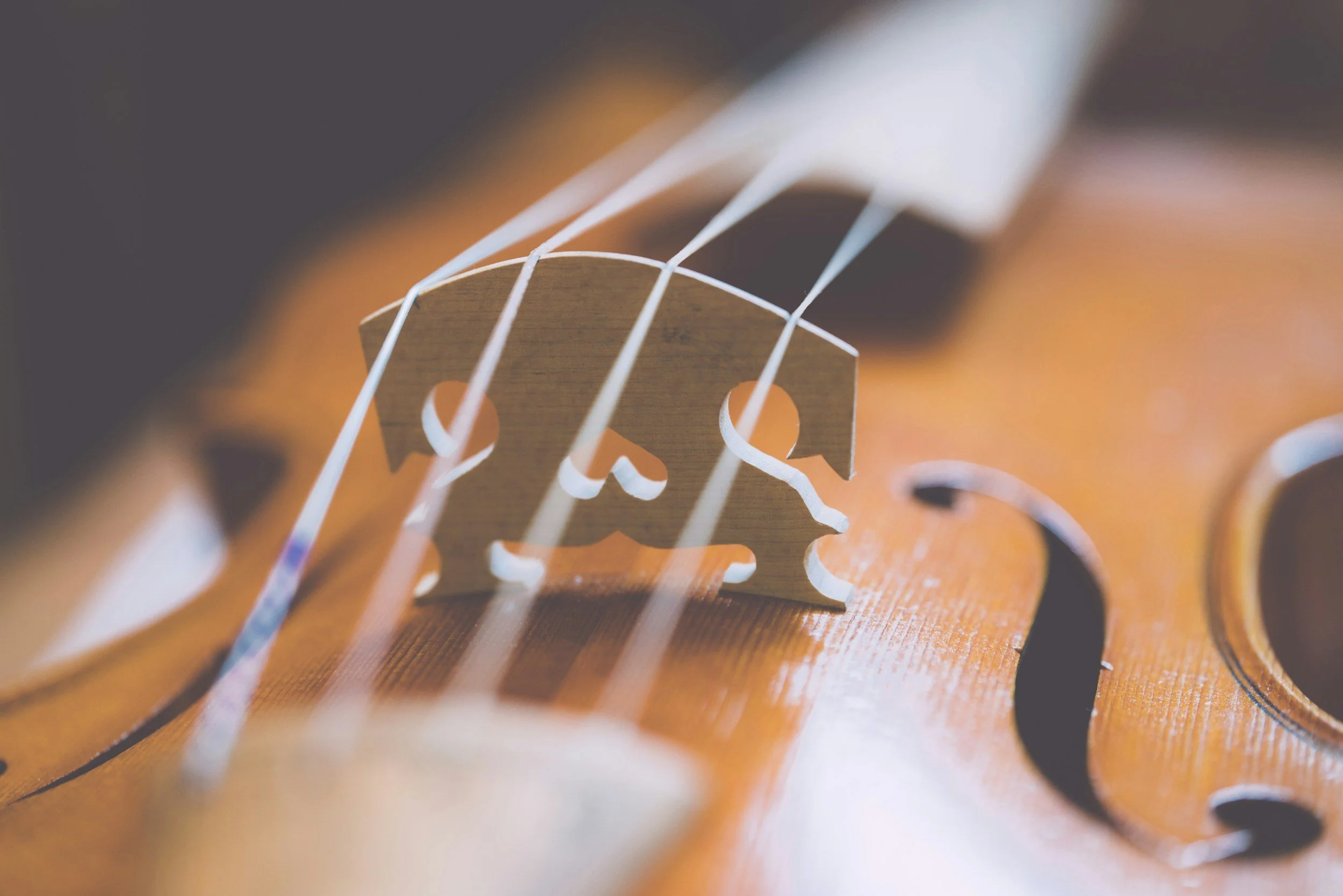
Drawn by baroque music's improvisational dance-like quality, my craft has constantly evolved by listening to musicians and their needs, Ultimately, understanding this style requires immersing oneself into the music, concerts, and direct dialogue with clients.
Reimagining The Past: The Art of the Baroque
Sarah Peck offers fascinating insights into the subtle yet significant distinctions between the violins of centuries past and their modern counterparts. Instruments from the baroque era often feature a more pronounced arching to their top and back plates, coupled with a noticeably thicker neck.
Sarah's musical journey began with the familiar sounds of modern violin and the lively rhythms of bluegrass.
However, a pivotal discovery of the early string instrument-making program at West Dean opened her ears and hands to a different era. Sarah’s enthusiasm is about its improvisational spirit and its intrinsic connection to dance. It was this vibrant and expressive world that ultimately drew her away from the modern and into the rich historical landscape of baroque instrument creation.
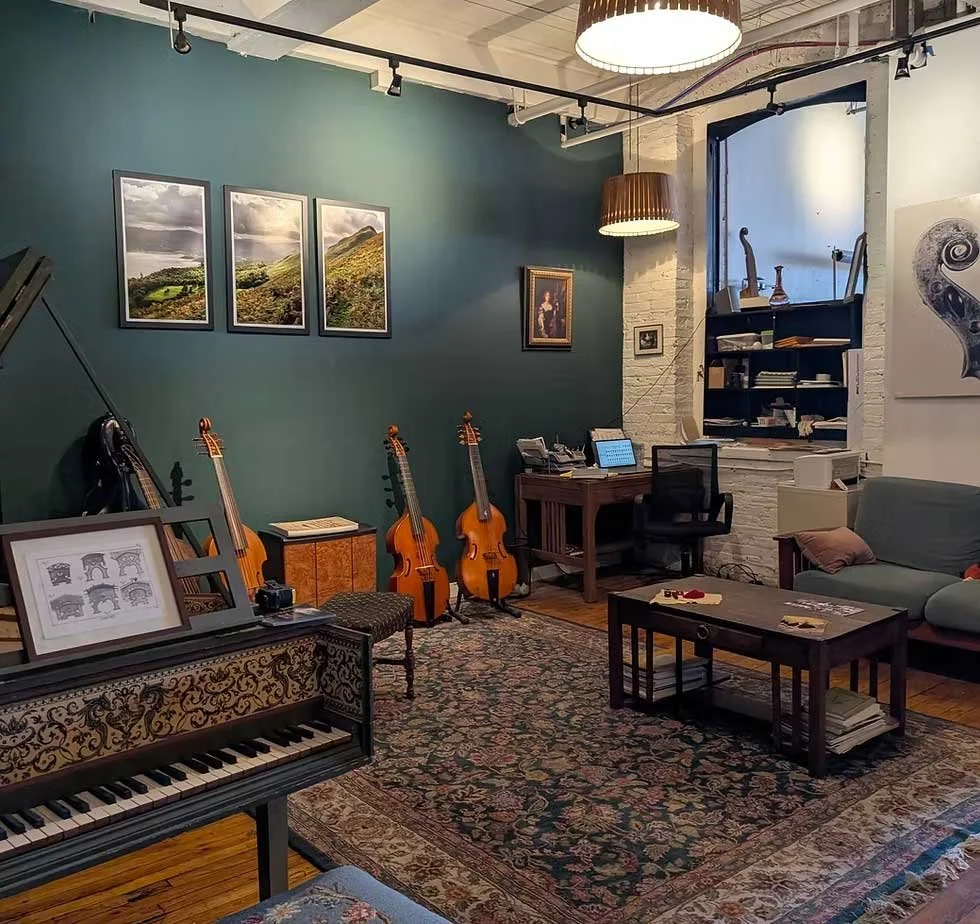
Inside Baroque Instrument Construction
Sarah highlights the influence of early instrumental Bill Monical - An expert in early instruments on her understanding, noting key differences from modern instruments like gut strings and specialized bows. Her crafting approach prioritizes the musician's style and music, tailoring the design and arching while maintaining similar construction techniques. The goal is to create an instrument that authentically embodies the sound and performance practices of the baroque era.
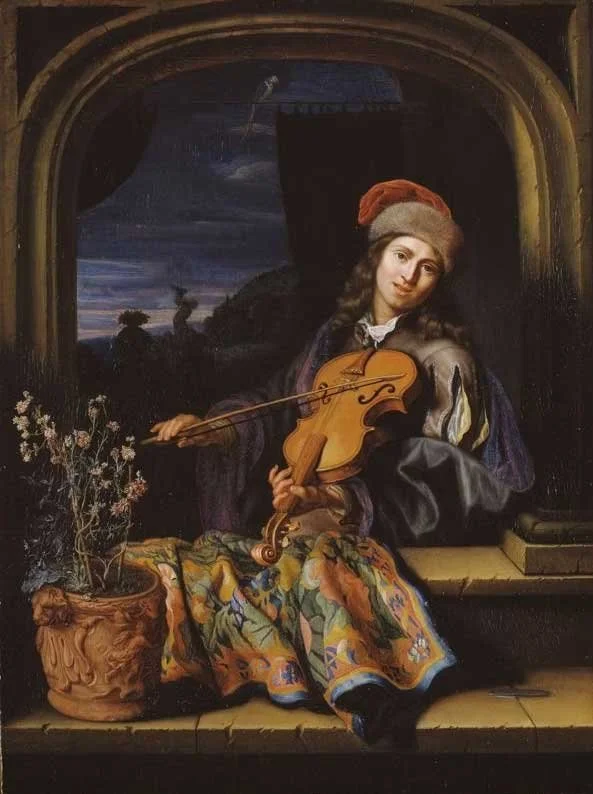
The Evolving Art of the Baroque
Creating authentic baroque instruments is an evolving art. Sarah emphasizes the crucial role of arching and setup, noting her approach adapts by listening to musicians' changing needs and interests. Constant evolution is key, and aspiring makers should embrace change and customer feedback.
Evolution of The Baroque
To truly capture the baroque essence, Sarah advises immersing oneself in the sound – listening to recordings, attending performances, and engaging directly with musicians. This understanding, coupled with an awareness of how the violin evolved alongside musical shifts and material innovations like wound strings, is crucial, for anyone embarking on this specialized path.
Sarah stresses the vital connection to the music itself and the historical trajectory of the instrument family. The baroque era, she explains, prioritizes playability, and while the fundamental violin form remains largely consistent, the music written for it and the strings used have undergone significant transformations.

The Historical Heart of Baroque Craft
For those intrigued by the creation of baroque instruments, it's essential to understand that makers like Sarah believe a deep immersion in the music and history of the period is paramount. She observes a contrast between traditional and modern instrument-making approaches, suggesting that modern methods can sometimes be too rigid. In her own practice, particularly with violas da gamba, Sarah emphasizes a commitment to traditional woods, highlighting a deliberate connection to the historical authenticity of the materials.
The dedication of makers like Sarah reveals the intricate and passionate world of baroque instrument creation. Their insights highlight the crucial interplay between historical understanding, evolving craftsmanship, and the vital connection to the musicians who bring these antique voices to life once more.
As they continue to explore and refine their art, the legacy of the baroque era resonates a new, promising and vibrant future for these timeless instruments.
Crafting a baroque instrument isn't just about recreating an old form; it's about channeling the spirit of the music and connecting today's musicians with the voices of the past, one meticulously carved curve and carefully chosen string at a time.
Exclusive North American Availability at Vermont Violins
Financing is available through our nationwide payment plans.
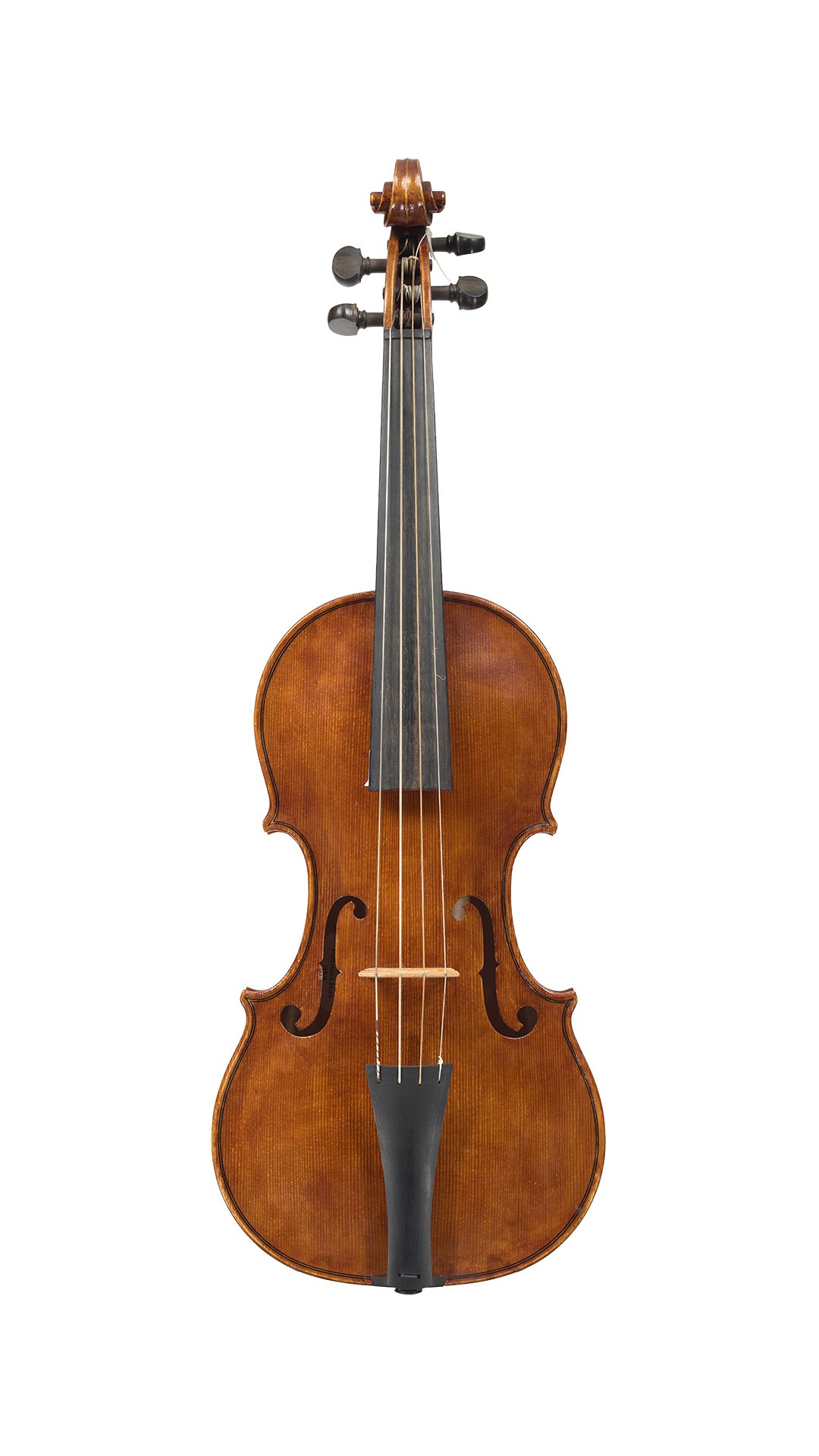
Experience the pinnacle of history with the Sarah Peck Baroque Violin, now available exclusively in the United States through Vermont Violins. This instrument is not a mere reproduction; it is a meticulously crafted bridge between 17th-century artistry and modern sustainability, designed for professional early music specialists and serious conservatory students.
Historical Craftsmanship: The Stainer Influence
Inspired by the legendary arching and tonal profile of Jacob Stainer—the most celebrated maker of the Baroque era—this violin offers the sweet, flute-like soprano and immediate response required for the works of Bach, Biber, and Corelli.
Premium Tonewoods: Features a select American Maple back and ribs for structural stability and a vibrant quarter-sawn European Spruce belly for optimal resonance and projection.
Baroque-Spec Neck & Fingerboard: Constructed using the traditional method of encasing a lightweight spruce core with authentic ebony sides and veneer, maintaining the period-correct balance and weight distribution.
Innovation Meets Tradition: GaiaTone™ Technology
In collaboration with V. Richelieu™, this model features a GaiaTone™ tailpiece—a breakthrough in sustainable lutherie.
Eco-Friendly Performance: GaiaTone™ is a 100% petroleum-free material made from 95% post-consumer paper waste and bio-resins.
Superior to Ebony: With a hardness slightly higher and a density comparable to tropical hardwoods, GaiaTone™ provides a stable, jet-black aesthetic and superior acoustic response without the environmental impact of endangered ebony.

Please Note: Musafia cases typically require approximately 3 to 4 months for shipping.
Cover choices:
Cordura Nylon
Steel grey/blue – Terra brown – Slate green – Black – Pacific blue – Sable
Glove-quality leather (Please complete the custom form on the product page provided for this option)
Brown – Black – Blue
Musafia's journey towards crafting the pinnacle of instrument protection began in 2003 with the inception of the original Enigma case. Driven by a relentless pursuit of excellence, each iteration, culminating in the Enigma Series 3 unveiled in 2021, embodies Mr. Musafia's unwavering commitment to quality, innovation, and instrument safeguarding. The Series 3 distinguishes itself with gracefully curved interior partitions, enhancing structural integrity and maximizing storage for accessories like shoulder rests. Available in three distinct versions, from the luxurious Enigma Exclusive to the lightweight Enigma Leggero, every Enigma iteration exudes sophistication, fortified by revolutionary construction and an array of exclusive safety features.
At the core of every Enigma case lies a revolutionary hybrid Kevlar® and wood laminate shell, meticulously engineered for unparalleled strength and durability. Complemented by military-specification Cordura® nylon cover treated with Teflon®, YKK zippers, and a suite of safety features including crash-tested designs, the Enigma Series 3 sets a new standard in instrument protection. Whether you seek opulent interiors lined in plush velvet or lightweight versatility optimized for travel, the Enigma range offers a solution tailored to the discerning musician's needs.
Formats and versions: 5011L, 5021L, 5011E, 5021E, 5011P, 5021P.
Note: Please refer to the Terms and Conditionsfor custom case orders.

Specially formulated for gut strings, the gentle but clean attack and smoother traction allows the string to resonate freely with maximum clarity. Baroque rosin makes a bright, clear sound with a feeling that the bow is quicker on the string and makes it easier to play fast with more clarity. The smoother traction allows the string to be played with more intensity without distortion and also reduce the ‘squeak’ often encountered with using modern rosins on gut.
Leatherwood Rosin's baroque instrument blends are:
Baroque Violin: Violin with gut strings, treble and small Viols
Baroque Viola : Viola with gut strings, Tenor Viol and Viola d'Amore
Baroque cello: Cello with gut strings, Bass viol
Viola da Gamba: especially formulated for this instrument
G-Violone: especially formulated for this instrument
Your baroque recipe will generally last 2-5 years with intensive use.


The Viva La Musica Diamond shoulder rest is lightweight and adjustable, featuring elegantly transparent, rubber-covered feet. The feet are collapsible to facilitate storage, and its patented 360 degree circular lateral adjustment ensures ease of use. This shoulder rest fits 3/4-4/4 violins and is available in light or dark maple.

Music stand with a curved baroque design. Made from solid beech. The stand is available in three natural finishes.

Kun developed the Bravo shoulder rest to meet customer demand for a wooden rest from Kun. As always, quality, ergonomics and innovation were our starting points.
The Bravo’s base is made from bent hardwood laminates oriented to provide the precise combination of strength and flexibility a shoulder rest requires. These bases are hand-made in Italy from European curly maple to reflect the back of a fine violin.
The Bravo’s metal adjusting mechanisms enhance the elegance of this outstanding product. The feet of the Bravo also incorporate Kun’s patented locking device to limit rotation.
The highest quality sponge rubber, representing the latest in polymer technology ensures that the padding offers extra grip, greater comfort and maximum durability.
Folding ends on the Bravo Collapsible model make it easy to store.
THE KUN BRAVO IS AVAILABLE IN STANDARD AND COLLAPSIBLE MODELS FOR VIOLA AND FULL-SIZE VIOLIN.

Give your violin or viola the gentle care it deserves with these sustainably handcrafted blankets from Green Star Playhouse. Made in Vermont from upcycled cottons, each blanket cushions your instrument perfectly in its case while adding artisan charm. Pre-washed and hot-iron tested to ensure no damage to delicate finishes, every blanket is truly one-of-a-kind. Perfect for safe storage between practice sessions or as a thoughtful gift for any musician who treasures their instrument. Hand wash recommended or gentle machine wash and dry.
Blanket Suitable for: 4/4 or ¾ Violin