Wondering whether to buy your next violin online or try it in person? Discover how the best violin shops blend digital inventory with real luthier expertise to give you both.
Read More
Wondering whether to buy your next violin online or try it in person? Discover how the best violin shops blend digital inventory with real luthier expertise to give you both.
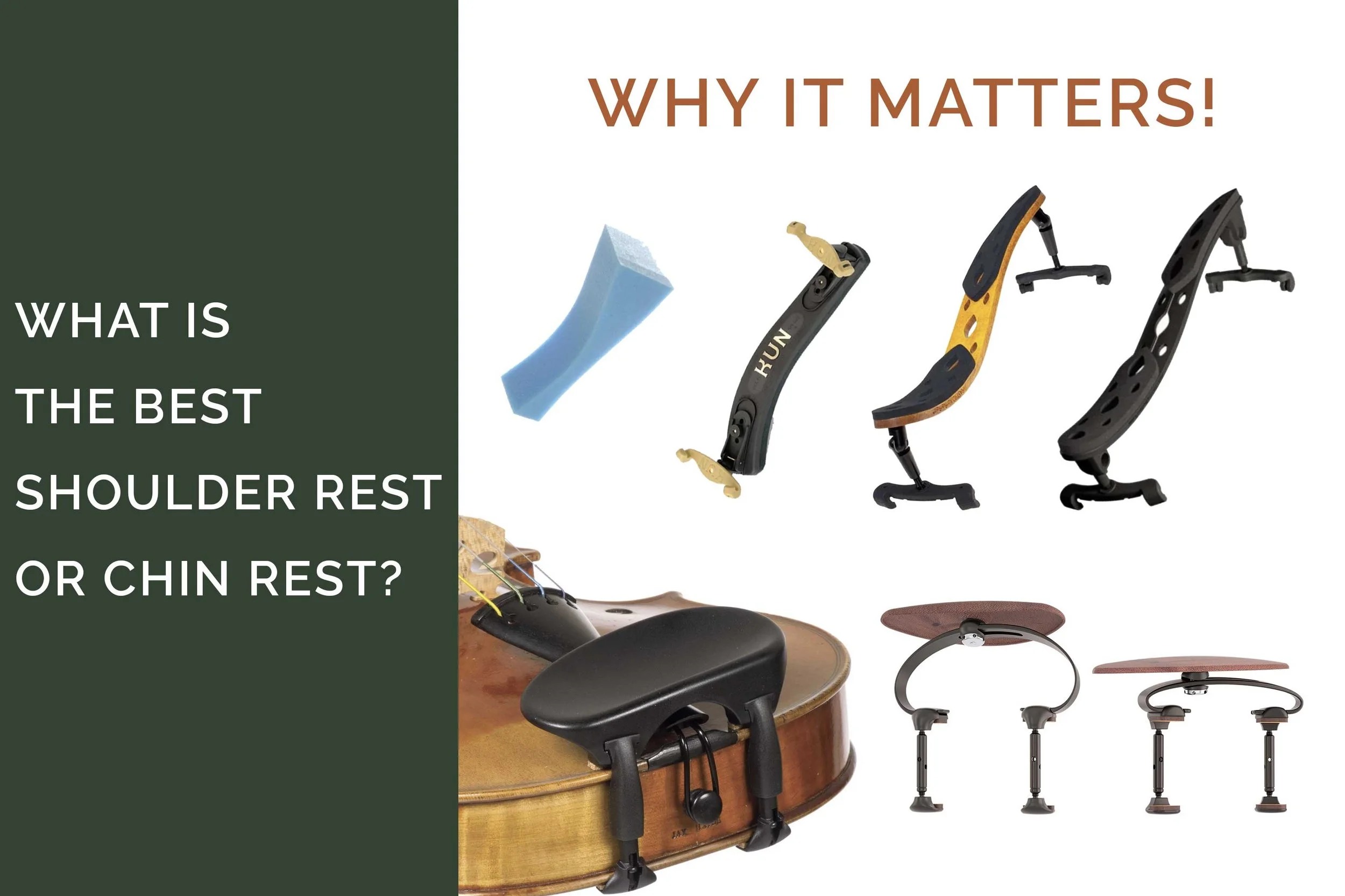
Read MoreAny activity performed repeatedly places cumulative stress on the body — and this stress, left unaddressed, can escalate into serious musculoskeletal issues that make the activity painful, or worse, impossible to continue. Violin and viola playing are no exception.
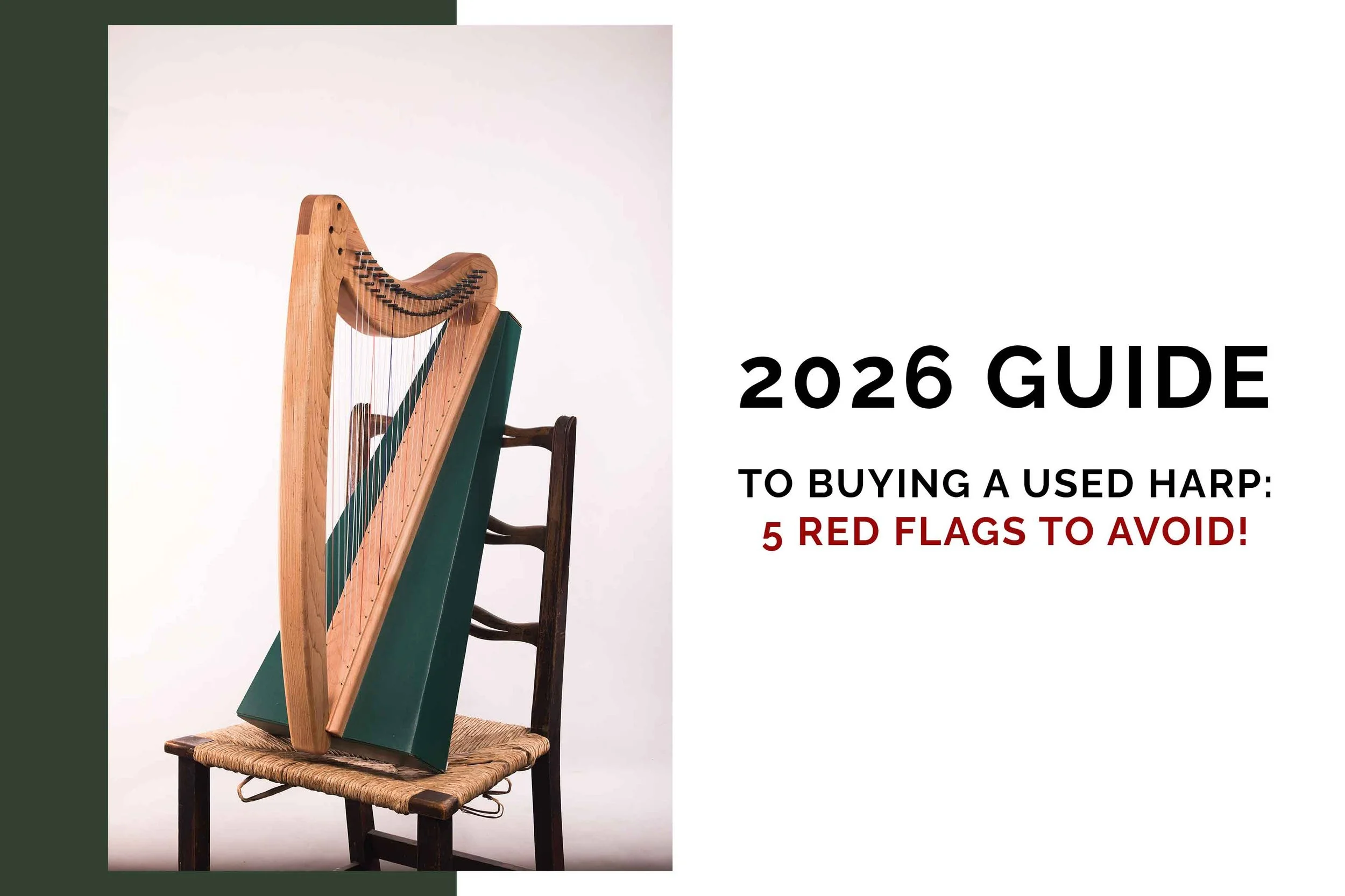
Read MoreBuying a used harp can be a precarious venture. Caviat Emptor applies in a significant way as harps can have hidden “traps” that make them poor investments as used items. A good, well-taken-care-of, used harp can be a phenomenal value – plus some great harps are no longer made, so used is the only option. Careful selection can yield great results, but it’s good to be wary and cautious.
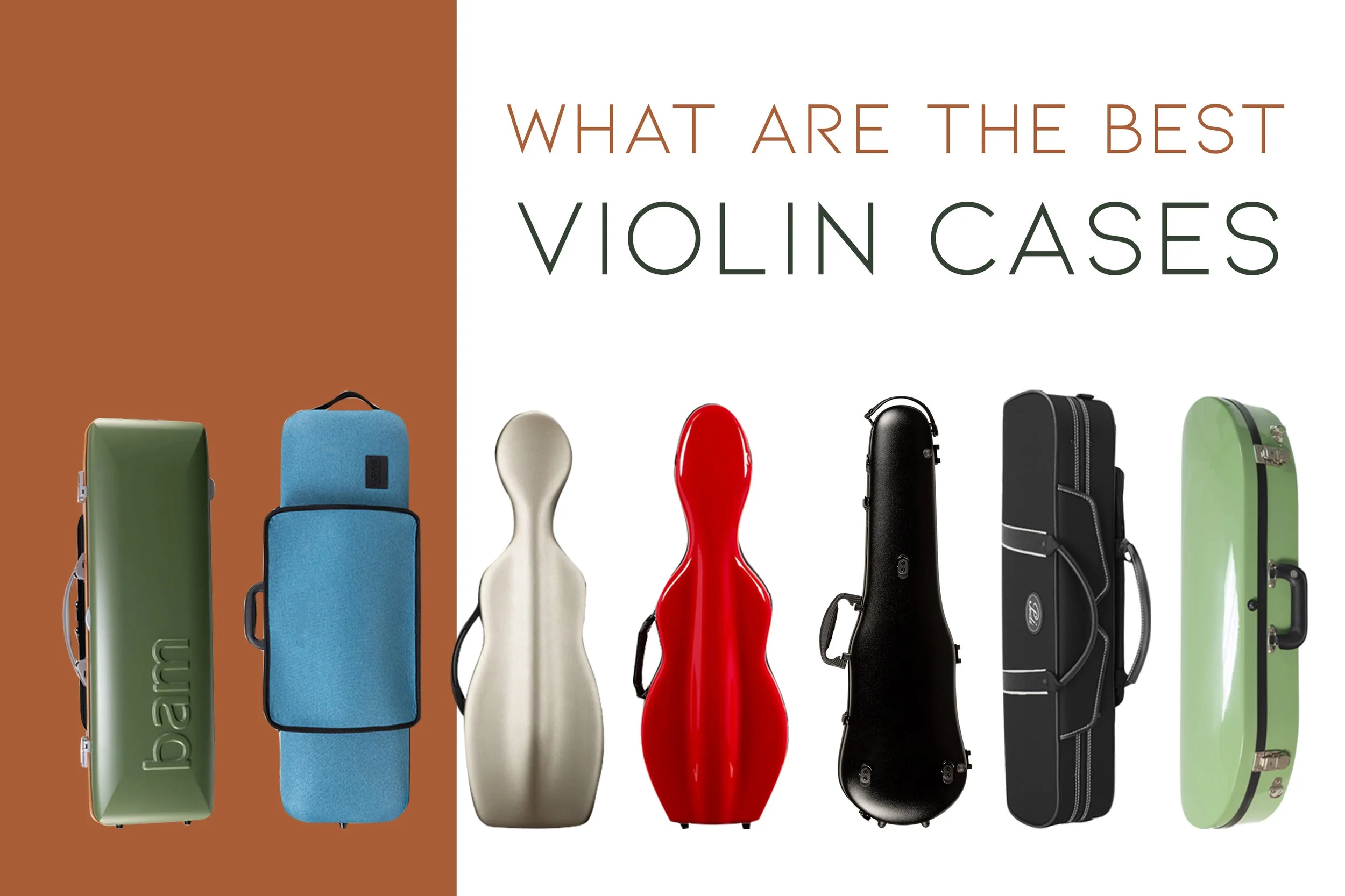
Read MoreA lot of people ask this question: “what’s the best violin case?” but unfortunately, there is no simple answer to that question! Vermont Violins represents many lines of cases that come from Europe and Asia and are offered at prices from $100 to $5000…..if there were a single “best” case, we would only have one case for sale!
Read MoreDrawn by baroque music's improvisational dance-like quality, my craft has constantly evolved by listening to musicians and their needs. Ultimately, understanding this style requires immersing oneself into the music, concerts, and direct dialogue with clients.
Read MoreMost people don’t spend a lot of time thinking about glue. However, luthiers think about glue a lot, and it’s a much more interesting topic than you would think! The type of glue one uses on a violin can impact its longevity and our ability to repair the instrument, which means it’s important for us to make sure we’re using the best glue possible. But which glue is the best kind of glue for violin making?
Read MoreOne of the most common questions we get asked about our Made in Vermont violins is; “who is V. Richelieu?” (“How do you spell that?” takes a close second).
Read More