
Renting a Violin for Your Child? A First-Time Parent’s Guide

When your child comes home from school clutching an orchestra enrollment form for the violin, viola, cello, or double bass, it’s completely normal to feel a bit flat-footed.
As a parent, entering the world of classical music without a musical background can feel intimidating. When my own son decided to play soccer, I felt entirely out of my depth—I had no idea what gear he needed, where to get training, or how to support him.
If you're feeling that exact same uncertainty with the violin, take a breath. You are not alone, and navigating these waters is far simpler than it looks once you know the basics.
1. Why You Should Rent (and Avoid $100 Online Violins)
The most common impulse for new parents is to search online and buy a cheap $100 to $200 beginner violin. Please avoid this trap.
String instruments are mechanically delicate and demanding to play. Ultra-cheap "budget" instruments bought online often suffer from slipping pegs, poor setup, and terrible sound quality. If an instrument doesn't perform properly, a beginner child will struggle, become frustrated, and likely give up.
The Benefits of Renting
Built-in Sizing Upgrades: String instruments aren't "one size fits all." Children move through 6 or 7 different scaled sizes (from 1/16 up to 4/4 full size) as they grow. You don't want to own 6 temporary instruments.
Rent-to-Own Equity: Quality rental programs allow you to build equity from your monthly payments, which applies directly toward buying a full-sized instrument when your child is ready.
Included Protection: Reputable shops offer damage waivers so you aren't stuck buying a replacement if an accident happens.
2. What Comes with a Quality Rental?
A proper starter setup should set your child up for success right out of the door:
The Instrument & Bow: Selected and set up by luthiers to sound and play its best.
Case or Gig Bag: Violins and violas come with a hard protective case with easy-to-carry straps. Cellos typically come in padded gig bags because hard cello cases are too heavy for young students to haul around school.
3. Essential Accessories You’ll Need
While the instrument, bow, and case come in your core rental bundle, you will need a few essential accessories:
| Accessory | What to Look For | Recommended Brands / Options |
|---|---|---|
| Rosin | Sap derivative applied to bow hair so it grabs the strings properly. | Aubert/Bernardel (classic French rosin around $10) or Magic Rosin (fun visual designs kids love). |
| Chromatic Tuner | Helps tune strings accurately. | Free smartphone apps work for starters; dedicated $20 digital electronic tuners provide higher precision. |
| Metronome | Keeps steady tempo during practice. | App store downloads work, but ensure it features a loud chime/woodblock tone and a flashing visual light. |
| Music Stand | Holds sheet music at proper eye level to encourage good posture. | K&M (durable steel wire stands) or Peak (collapsible with a wide table and travel bag). |

4. Teaching Your Child the "Pet Rule" for Care & Maintenance
Children bond with instruments that look and sound great. To keep their instrument pristine, teach them to treat it like a household pet:
Two Hands at All Times: Just like picking up a puppy or kitten, always handle the instrument carefully with both hands.
Never Leave It in a Hot Car: Extreme heat or rapid temperature shifts destroy wood and glue joints.
Put It to Bed in Its Case: When practice is over, the instrument goes straight into its case, latched securely.
Ownership & Boundaries: Empower your child by making them the "custodian." Rule of thumb: Only the student and their teacher are allowed to touch the instrument. Parents must ask permission, and younger siblings or friends are strictly hands-off!
5. Setting Up a Winning Home Practice Routine
Improvement doesn't require hours of grueling daily sessions. Muscle memory is built on consistency, not duration:
Target 10–15 Minutes Daily: Short, frequent practice sessions yield far better results than one long session right before a lesson.
The "5-Minute Reset": If your family is having a chaotic day, don't skip practice entirely—have your child unpack the instrument, run through a couple of scales for 5 minutes, and pack it away. Consistency keeps momentum alive.
Be Their Biggest Fan: Avoid jokes about scratchy sounds or sending them off to a remote shed. Let them play in the living room and praise their dedication!
Frequently Asked Questions (FAQ)
Should I spend extra on a premium starter instrument if I have the budget?
While our standard rental instruments are hand-selected as best-in-class for beginners, opting for an upgraded model (like a higher-tier prelude or step-up instrument) provides even richer tone and responsiveness, which can boost a student's confidence early on.
What happens if my child drops or damages the rented violin?
Accidents happen to everyone! Ensure your rental agreement includes a comprehensive Damage Waiver. This protects you from hefty out-of-pocket repairs or replacement costs if the instrument is dropped or damaged.
How do I know when my child needs to move to the next instrument size?
Your private teacher or local orchestra instructor will monitor your child's posture and arm length. When their arm easily wraps around the scroll with a bent elbow, your shop can seamlessly swap your rental to the next size up.
Looking for additional guidance? Buy Our Strings & Sound Beginners Guide to Violin & Viola
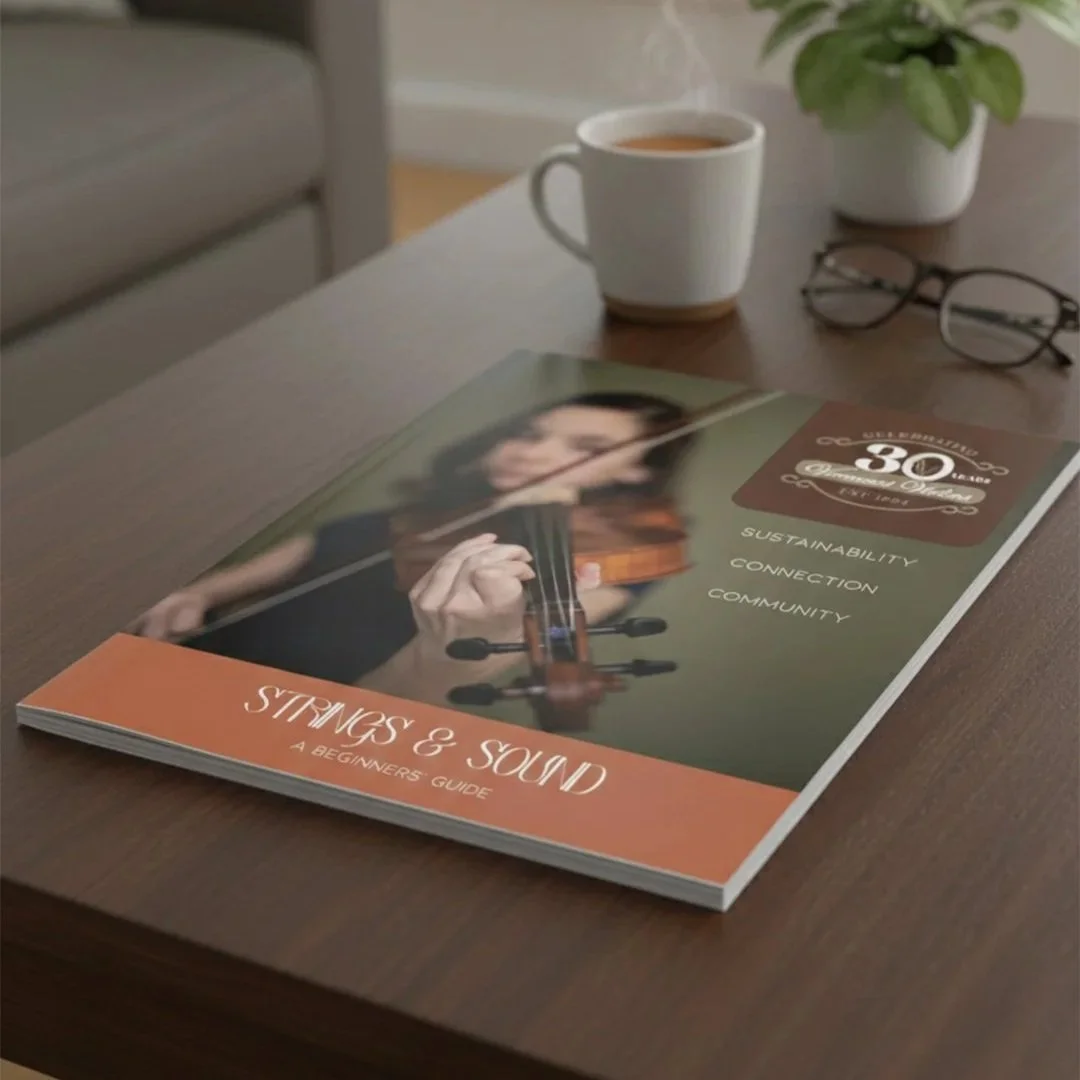
The String Parent’s Essential Guide: From First Note to Pro Care
Stop Guessing. Start Supporting. Is your child starting their journey with the violin or viola? While they focus on the notes, you have to focus on the "Particulars"—the sizing, the maintenance, the strings, and the gear. The String Parent’s Essential Guide is a 30-chapter deep dive designed specifically to turn "Music Parents" into "Expert Allies."
Why You Need This Guide:
The Anatomy of the Violin: Understand exactly what you are paying for and how the instrument works.
The Perfect Fit: Our comprehensive Sizing Guide ensures your child isn't struggling with an instrument that’s too big or too small.
Beginner’s Essentials: From choosing the right Rosin to selecting Strings and Cases, we take the guesswork out of the shop.
Instrument Longevity: Learn the "Instrument Wellness Check" and how Climate Change affects tonewood, saving you hundreds in avoidable repairs.
Expert Perspectives: Exclusive conversations with teachers like Kristina Turner and makers like Seth Kimmel provide professional insights you won't find on YouTube.
What’s Inside (30 Feature Chapters):
This magazine covers the full lifecycle of a student's early years, including:
Technical Basics: Tuning your instrument, unboxing, and safe storage.
The Big Decisions: Should you Rent or Purchase? We break down the math for you.
Education Methods: A deep dive into the Suzuki Method and conversations with Suzuki experts.
Advanced Knowledge: Learn about the history of the violin, the evolution of bow making, and the future of sustainability in lutherie.
Equip your child for success by equipping yourself with the knowledge to guide them.
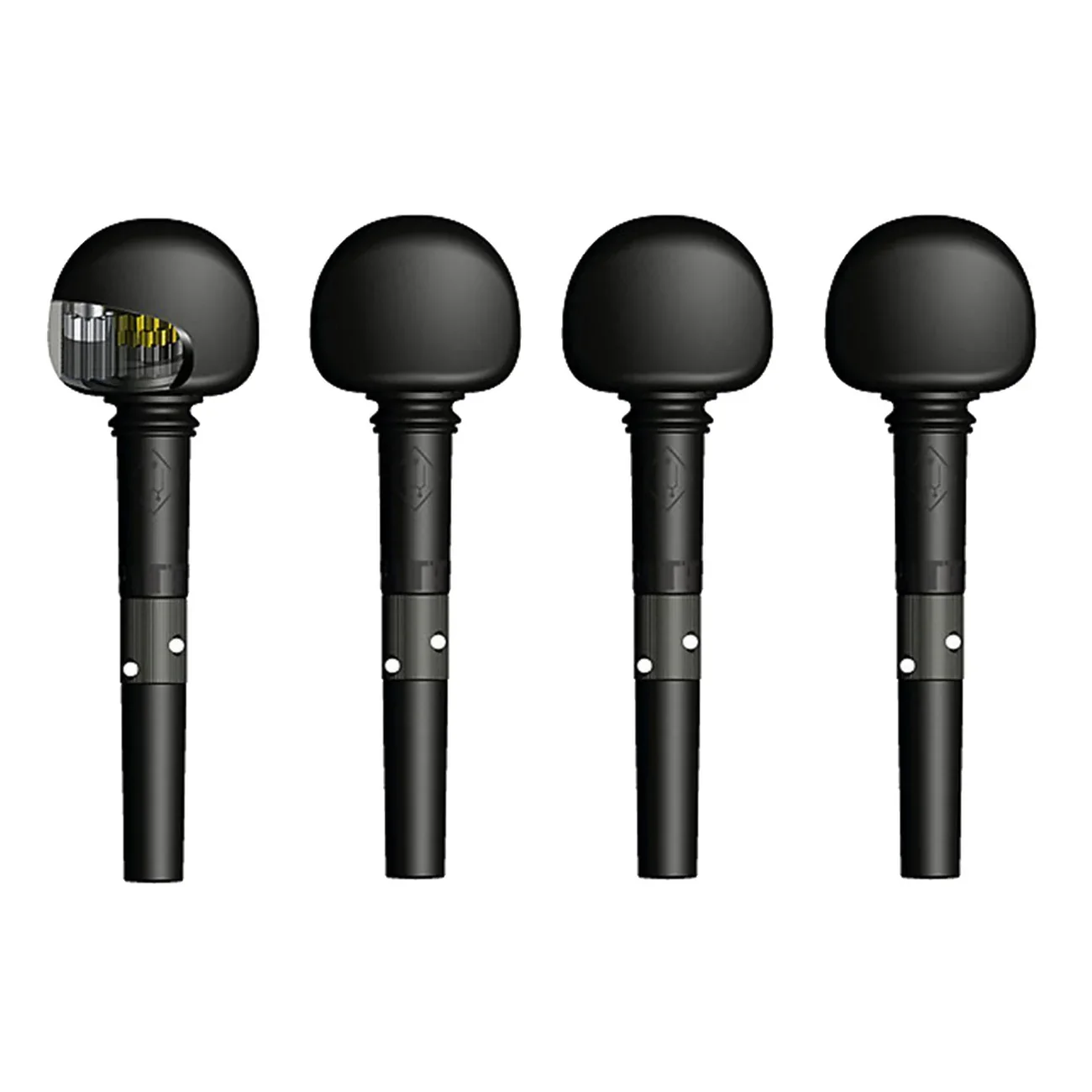
The wittner finetune geared pegs, a “non-slip” peg solution for your violin. For proper sizing, check out our infographic. Wittner finetune geared pegs are measured by diameter at ring.
Available in different size options:
- 7.8mm Violin (for 4/4 - 3/4 size violin)
- 8.6mm Violin (for 4/4 - 3/4 size. violin)
- 7.2mm (for 1/2 - 1/4 size violin)
Wittner Finetune Peg Set includes 4 pegs
Made from composite and light alloy material, maintaining the traditional hardwood appearance demanded by professional musicians. Installed by pressing into place without glue. Peg shaft stays in place, and tuning is done by turning peg head. There is no peg/pegbox friction, and peg is not affected by climate and humidity changes.
Only the button and the geared middle section of the shaft on which the string is wound, moves. The Fine Tune pegs have an internal gearing ratio of 8:1 for precise tuning.
We recommend installation by a professional. Before placing your order, we recommend looking at the sizing chart for proper sizing.
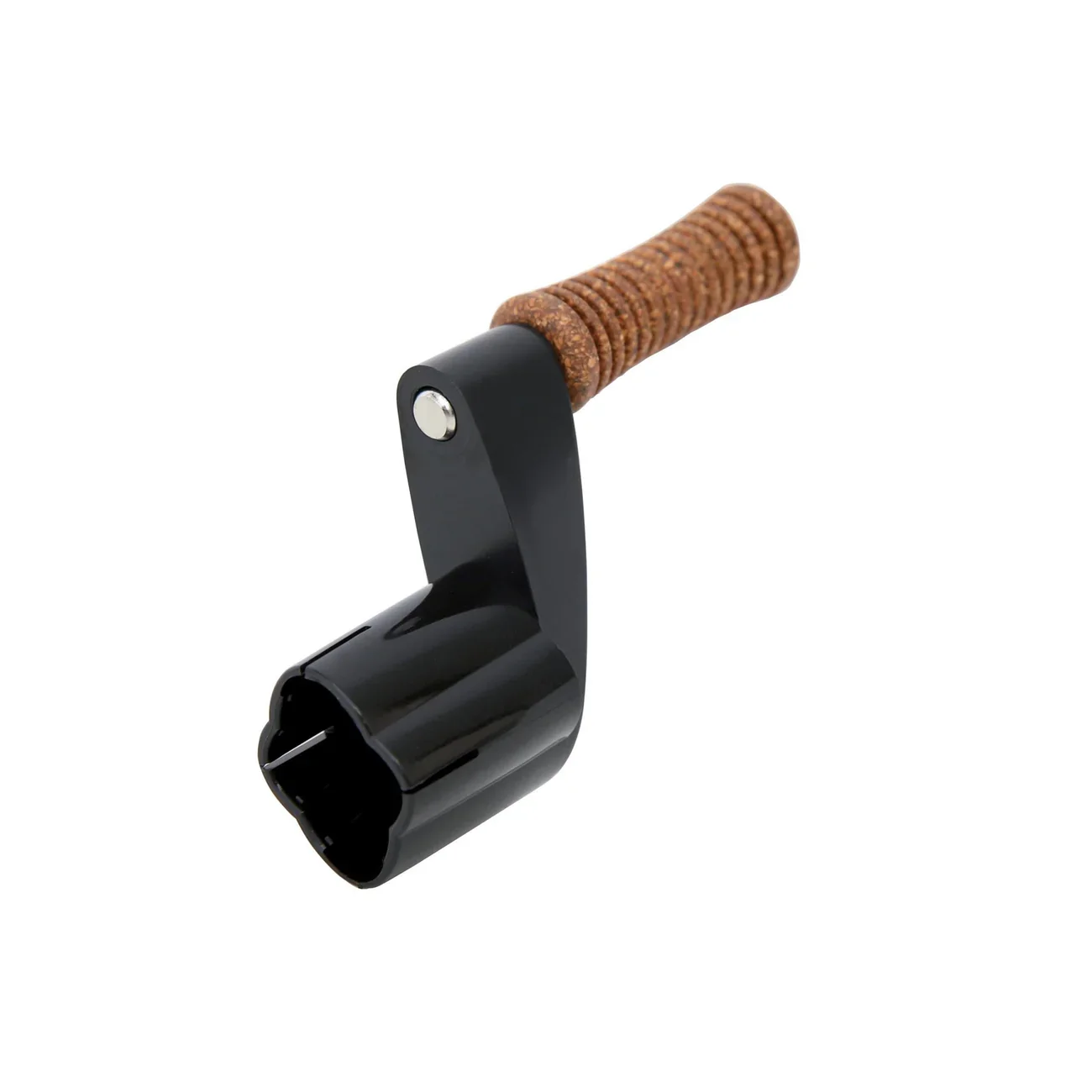
The Wittner Finetune Violin/Viola Peg Winder is a handy tool designed to make string changes faster and easier for instruments equipped with Wittner Finetune geared pegs. It allows for quick, smooth winding and unwinding, significantly speeding up the process of installing or removing strings.
Compatible with most pegs for Violin, Viola, Flamenco, and Ukulele, this compact and easy-to-handle tool is a practical time-saver for players who want efficient, stress-free string changes.
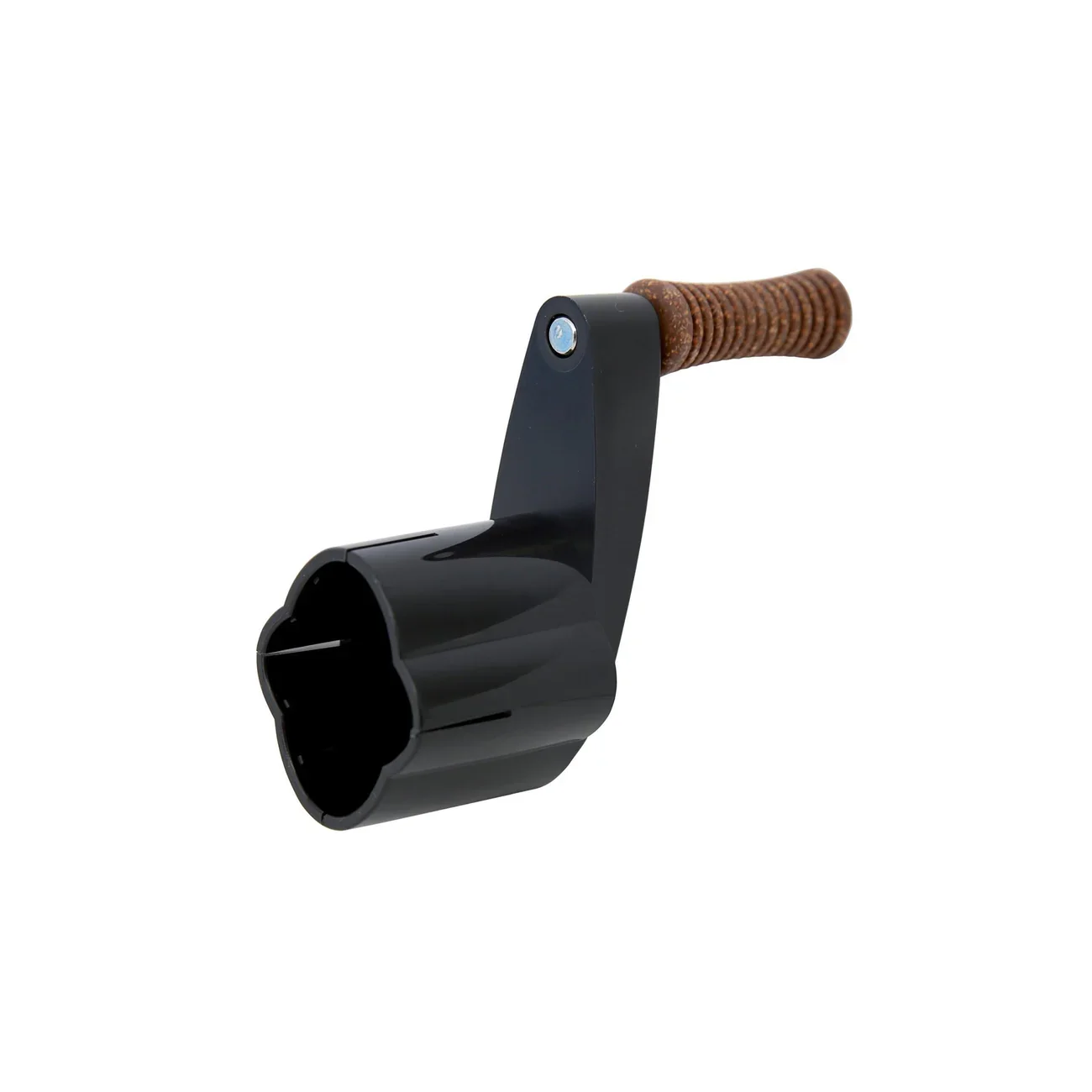
The Wittner Finetune Cello Peg Winder is a practical tool designed to speed up string changes on cellos equipped with geared pegs. It allows for quick, smooth winding and unwinding, making the process of swapping out and installing new strings faster and more efficient.
Lightweight and easy to use, it’s a simple time-saver for players who want hassle-free string changes without unnecessary strain or effort.


Wittner Violin Fine Tuner - Fine-tune your violin with ease
For 3/4 to 4/4 violins
Chrome-plated