
Beat the Heat: A Guide to Summer Instrument Care
Tips For Instrument Maintenance

If you live somewhere with distinct seasons, you know how dramatically the weather changes. But did you know your violin feels those shifts just as much as you do?
Wood is highly dynamic. In the summer, the air gets humid, the wood drinks in that moisture, and your instrument swells. When that happens, your violin faces a unique set of physical pressures.
Here is what is happening to your instrument during the summer months—and how to keep it safe, playable, and sounding its best.
1. The Battle of the Sticky Pegs
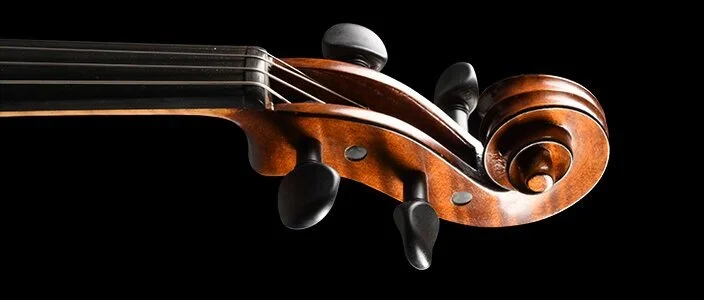
In the summer, your pegs swell. At the same time, the holes in the pegbox contract. This creates a tight grip that can make standard friction pegs incredibly stubborn and sticky.
The Quick Fix: You can use peg compound (lubricant) to help them turn, but use it sparingly. Too much lubricant now means your pegs will slip constantly when winter dries the wood back out.
The Permanent Upgrade: Consider retrofitting your instrument with Wittner mechanical pegs. These use an internal gear system rather than friction. Because the outer peg doesn’t move against the wood, weather changes won't affect your tuning experience at all.
2. Open Seams: Your Instrument’s Safety Valve
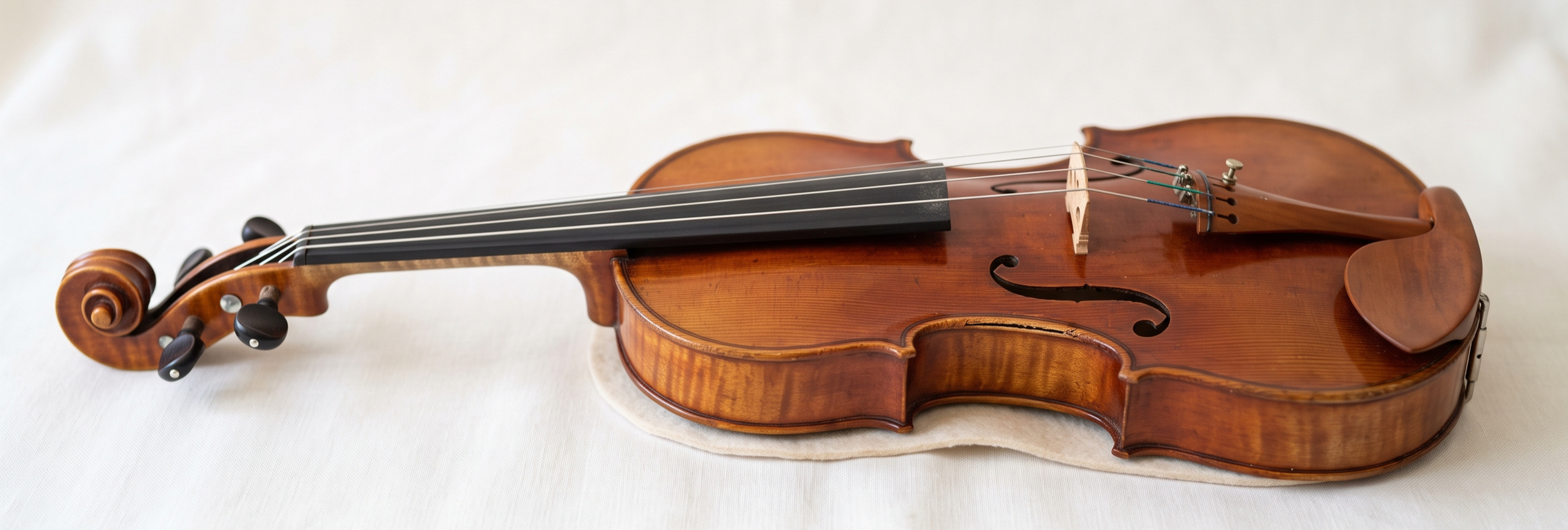
If your violin swells too much, the tension has to go somewhere. Thankfully, violins are held together by a highly delicate, water-soluble substance called hide glue.
Hide glue is designed to fail under pressure. If the wood expands too much, a seam will pop open instead of the wood cracking.
Important: An open seam is a good thing—it's a safety valve that prevents devastating, expensive cracks. If you hear a buzz or notice your violin sounding "flat" or less vibrant, a seam might have opened.
Never DIY glue repairs. Keep household glues, wood glues, and hardware-store solvents far away from your instrument.
See a professional. A luthier can easily and safely close an open seam using the proper traditional glue.
3. Cellos and Basses: The High-Action Headache
Because cellos and double basses are so much larger, seasonal shifts are even more noticeable.
In the humid summer, the neck angle shifts, causing the fingerboard to drop slightly. This pushes your strings much higher off the fingerboard, making the instrument stiff and difficult to play.
The Cello Solution: Many cellists keep two bridges: a lower summer bridge and a taller winter bridge.
The Bass Solution: Bassists often use bridges equipped with mechanical wheel adjusters to quickly raise or lower the action.
Note: If you are swapping bridges, have a luthier do it. Moving the bridge can shift your soundpost, which requires a professional adjustment to get the tone back on track.
4. Why Your Bow Hair Won't Tighten
Historically, horsehair was used in marine barometers because of how predictably it expands and contracts with humidity. In the summer, your bow hair absorbs moisture and stretches out.
You might find yourself turning the bow screw further and further just to get basic tension.
The Danger Zone: If the screw starts turning hard, stop turning. If you try to force it past the end of its physical track (the mortise), you can easily crack the wood at the end of the stick. This can completely ruin a good bow.
If your hair has stretched too far to play, bring it to a shop to be shortened or rehaired.
5. Quick Summer Wins
Switch Your Rosin: Switch to a slightly harder rosin for the summer. Soft, winter rosins get overly sticky and gummy in hot weather.
Use Two-Way Humidity Control: Use a two-way humidity control pack (like a Boveda pack) inside your case. It will absorb excess moisture during muggy summers and release it during dry winters.
Treat It Like a Puppy: Never, under any circumstances, leave your instrument in a parked car or in direct sunlight. The heat inside a car rises rapidly. It can literally melt the varnish off the wood, congealing it directly into your case fabric.
Do You Need a Seasonal Tune-Up?
Professionals often bring their instruments in twice a year for a quick checkup (sometimes humorously called a "seasonal adjustment"). A luthier will check your soundpost tension, clean the pegs, and make sure your seams are tight.
If your instrument is sounding great, playing easily, and has no open seams, you don't need to rush to the shop. But if your violin suddenly feels stiff, buzzy, or dull, a quick summer adjustment will make it feel brand new again.
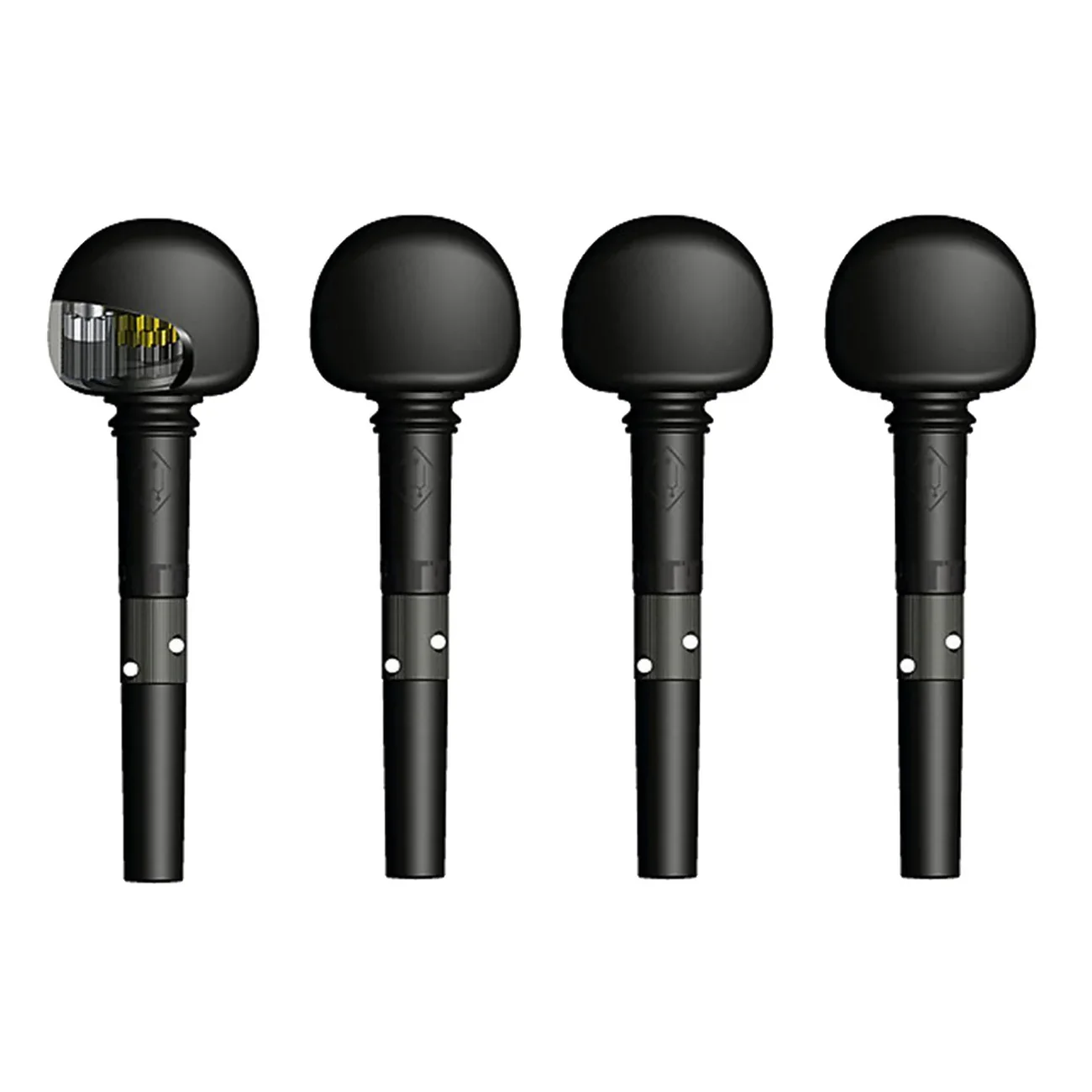
The wittner finetune geared pegs, a “non-slip” peg solution for your viola. For proper sizing, check out our infographic. Wittner finetune geared pegs are measured by diameter at ring.
Available in different size options:
- 8.6mm Viola
- 9.2mm Viola
The pegs are also available in violin sizes here.
Wittner Finetune Peg Set includes 4 pegs
Made from composite and light alloy material, maintaining the traditional hardwood appearance demanded by professional musicians. Installed by pressing into place without glue. Peg shaft stays in place, and tuning is done by turning peg head. There is no peg/pegbox friction, and peg is not affected by climate and humidity changes.
Only the button and the geared middle section of the shaft on which the string is wound, moves. The Fine Tune pegs have an internal gearing ratio of 8:1 for precise tuning.
We recommend installation by a professional. Before placing your order, we recommend looking at the sizing chart for proper sizing.
The wittner finetune geared pegs, a “non-slip” peg solution for your violin. For proper sizing, check out our infographic. Wittner finetune geared pegs are measured by diameter at ring.
Available in different size options:
- 7.8mm Violin (for 4/4 - 3/4 size violin)
- 8.6mm Violin (for 4/4 - 3/4 size. violin)
- 7.2mm (for 1/2 - 1/4 size violin)
Wittner Finetune Peg Set includes 4 pegs
Made from composite and light alloy material, maintaining the traditional hardwood appearance demanded by professional musicians. Installed by pressing into place without glue. Peg shaft stays in place, and tuning is done by turning peg head. There is no peg/pegbox friction, and peg is not affected by climate and humidity changes.
Only the button and the geared middle section of the shaft on which the string is wound, moves. The Fine Tune pegs have an internal gearing ratio of 8:1 for precise tuning.
We recommend installation by a professional. Before placing your order, we recommend looking at the sizing chart for proper sizing.
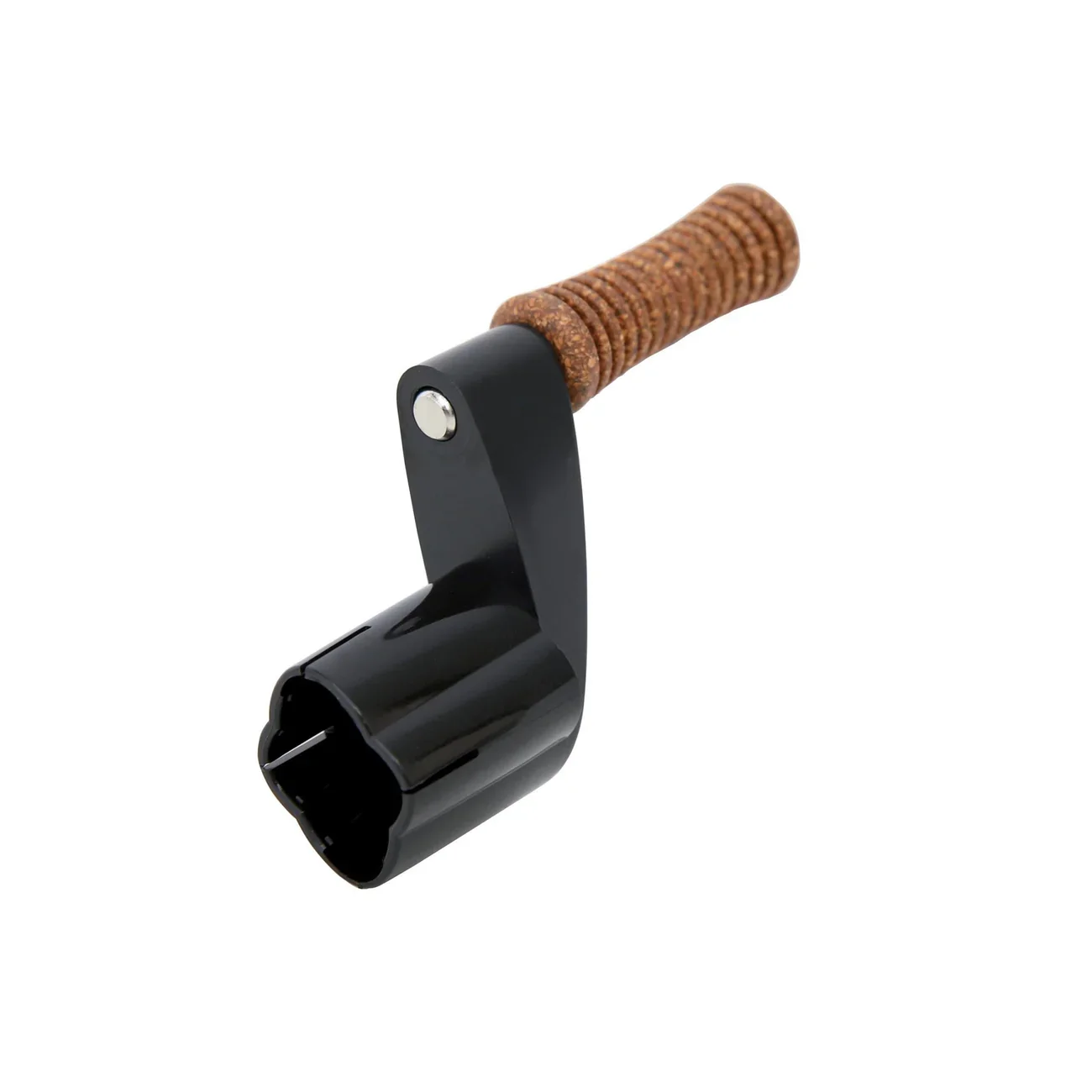
The Wittner Finetune Violin/Viola Peg Winder is a handy tool designed to make string changes faster and easier for instruments equipped with Wittner Finetune geared pegs. It allows for quick, smooth winding and unwinding, significantly speeding up the process of installing or removing strings.
Compatible with most pegs for Violin, Viola, Flamenco, and Ukulele, this compact and easy-to-handle tool is a practical time-saver for players who want efficient, stress-free string changes.
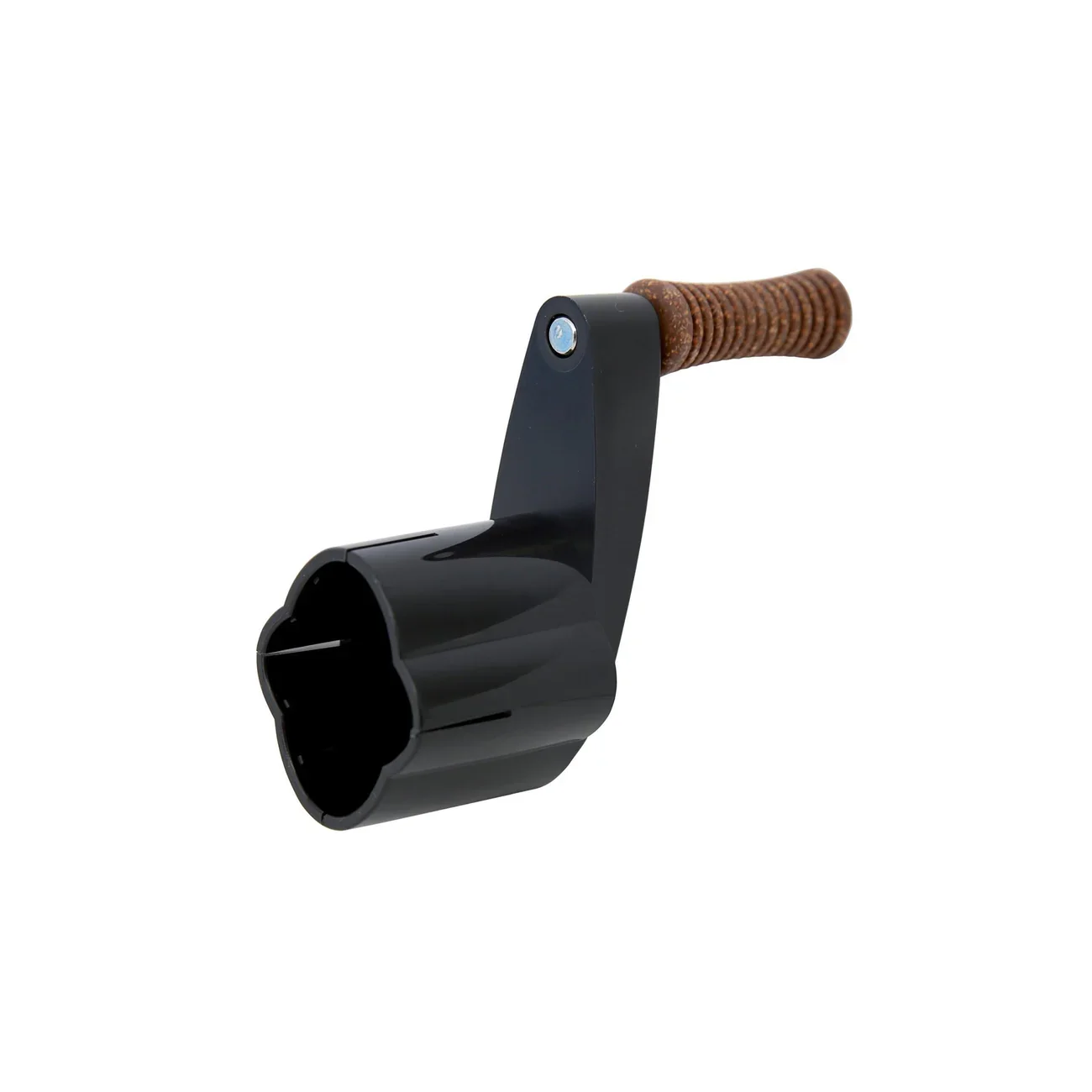
The Wittner Finetune Cello Peg Winder is a practical tool designed to speed up string changes on cellos equipped with geared pegs. It allows for quick, smooth winding and unwinding, making the process of swapping out and installing new strings faster and more efficient.
Lightweight and easy to use, it’s a simple time-saver for players who want hassle-free string changes without unnecessary strain or effort.


Wittner Violin Fine Tuner - Fine-tune your violin with ease
For 3/4 to 4/4 violins
Chrome-plated