
Baroque Violin Bows by Andrew Dipper
Introducing the Corrette Model
Now available nationwide — Violin Bow: Baroque, A. Dipper, Corrette Model for sale & finance through Vermont Violins
The Art of the Baroque Bow: Precision, Articulation, and Elegance
The Bow That Speaks the Language of the Baroque
Vermont Violins is excited to present a curated selection of period-authentic baroque bows by Andrew Dipper — each selected for historical integrity, tonal character, and the nuanced demands of historically informed performance practice.
While the modern bow is designed for the long, seamless legato of the Romantic era, the Baroque bow is a rhetorical tool—a "wand" that allows the music of Bach, Biber, and Corelli to speak with its original clarity and dance-like lift.
Our Featured Collection: The Andrew Dipper Corrette Models
We are proud to highlight the work of Master Bowmaker Andrew Dipper. Known for his historically informed reconstructions, Dipper’s bows are sought after by professional early music players worldwide.
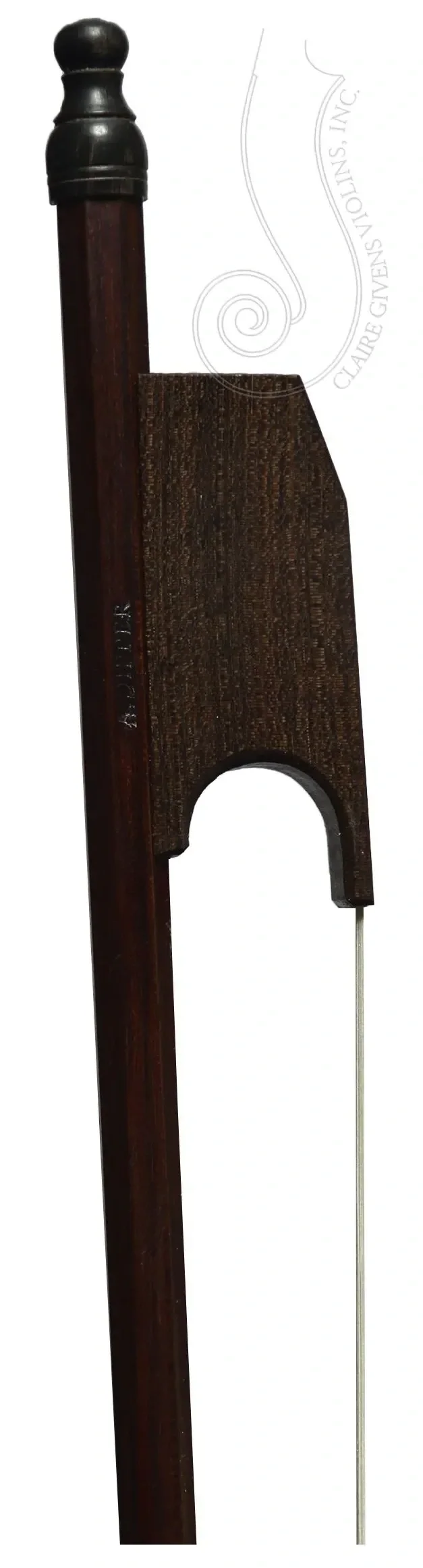
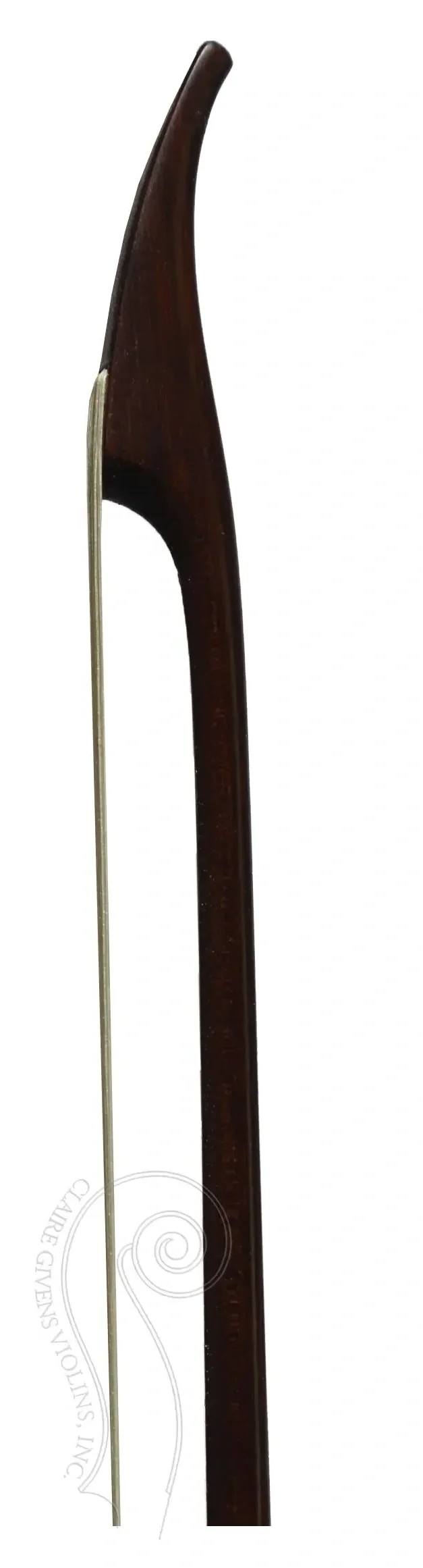
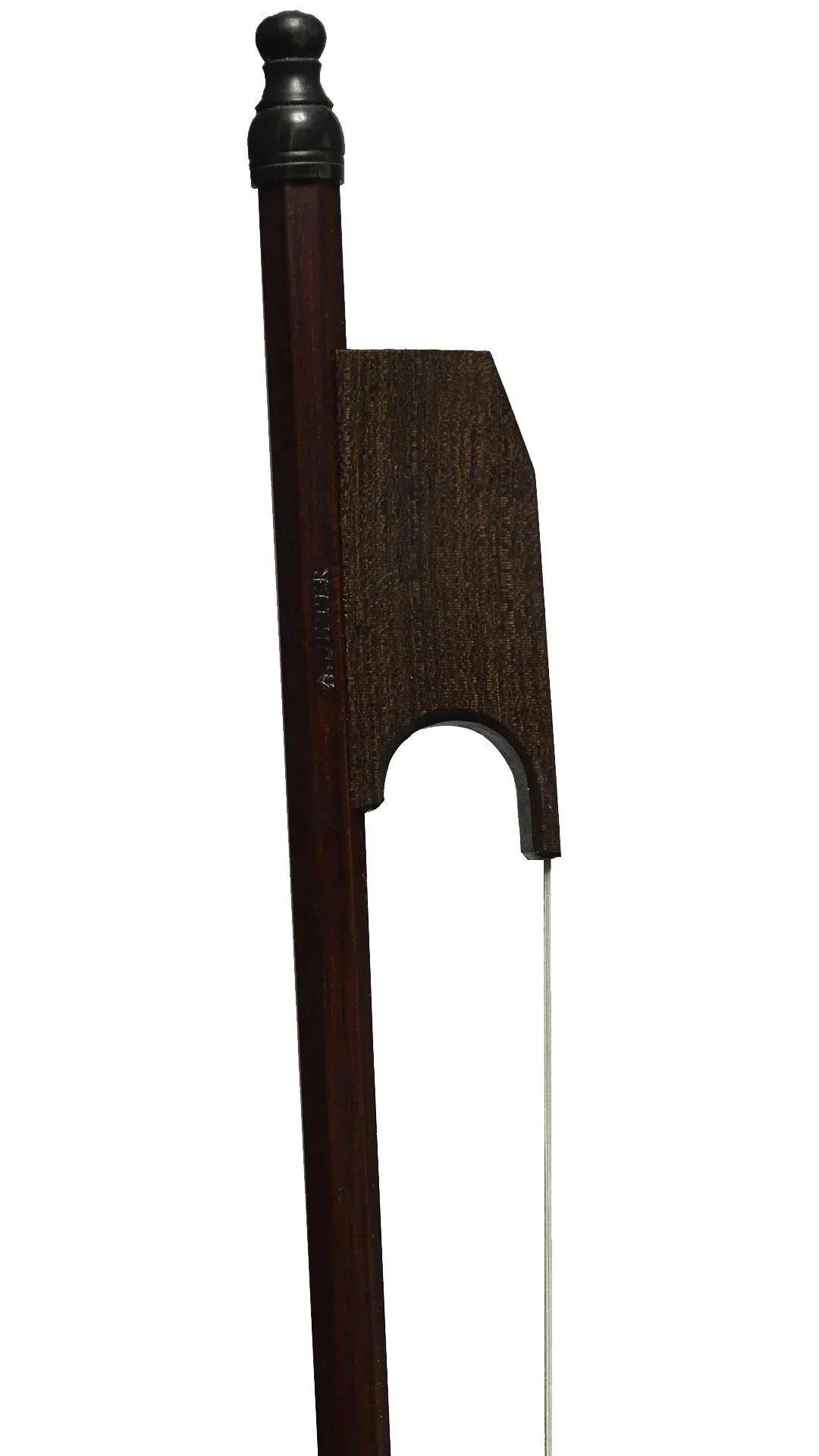
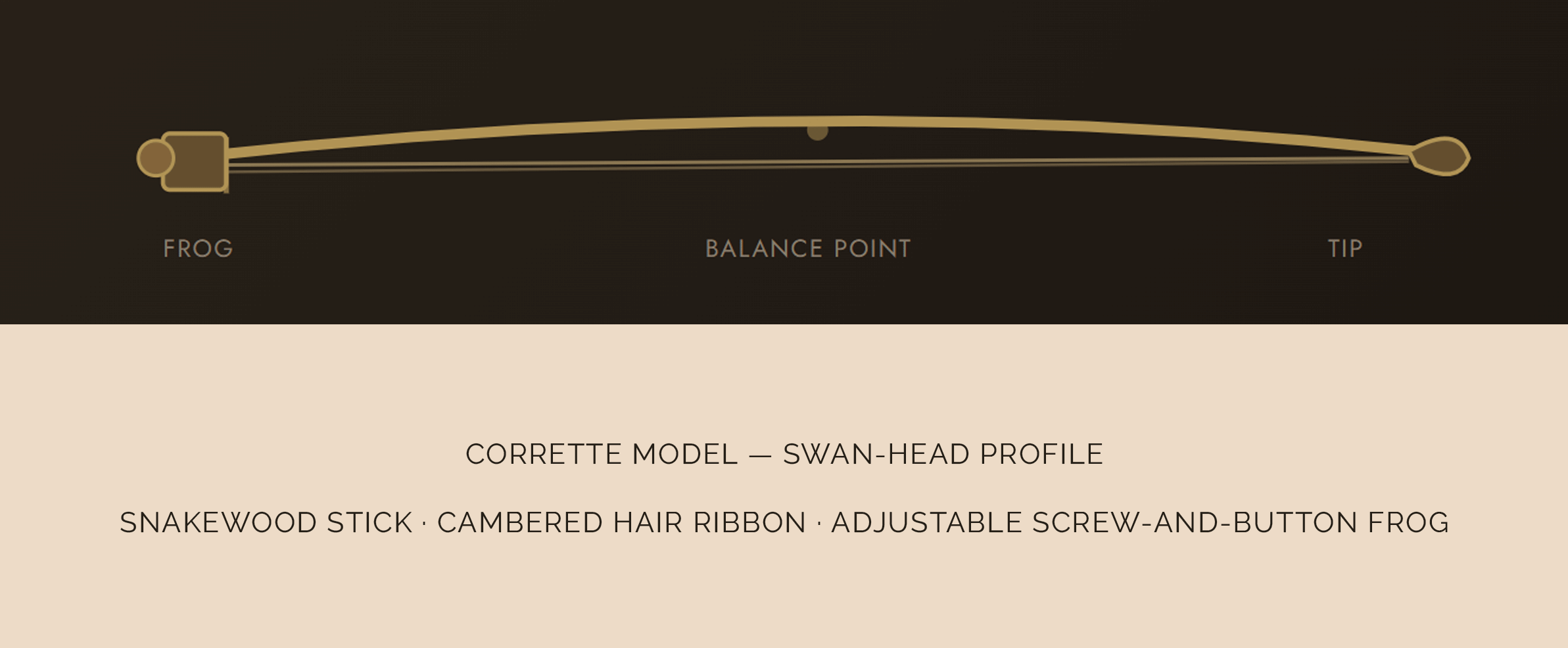
Inspired by the 18th-century treatises of Michel Corrette, these baroque bows represent the pivotal transition where French elegance met Italian virtuosity. Historically favored for their snakewood (Brosimum guianense) construction, these bows evolved to a 68cm length to accommodate the poetic metrical structures of the High Baroque. Andrew Dipper’s modern reconstructions faithfully replicate the iconic "swan-bill" head and the unique cambered hair ribbon, a design that offers a nuanced articulation far superior to the flat ribbon of modern bows. Weighing between 52g–54g and featuring a screw-adjustable frog made from durable amourette or dense tropical hardwoods, these bows are engineered to enhance the rhetorical expression and technical precision required for authentic period performance.
Each bow in our collection is selected for historical authenticity, tonal distinction, and suitability for professional Baroque performance.
North American Availability at Vermont Violins
Financing is available through our nationwide payment plans.
The Corrette Legacy: Master-Crafted Baroque Bows by Andrew Dipper
Inspired by the 18th-century treatises of Michel Corrette, these baroque bows represent the pivotal transition where French elegance met Italian virtuosity. Historically favored for their snakewood (Brosimum guianense) construction, these bows evolved to a 68cm length to accommodate the poetic metrical structures of the High Baroque. Andrew Dipper’s modern reconstructions faithfully replicate the iconic "swan-bill" head and the unique cambered hair ribbon, a design that offers a nuanced articulation far superior to the flat ribbon of modern bows. Weighing between 52g–54g and featuring a screw-adjustable frog made from durable amourette or dense tropical hardwoods, these bows are engineered to enhance the rhetorical expression and technical precision required for authentic period performance.
Choosing Your Baroque Bow: Key Considerations
300+
Years of History
EXPERT
Bow Specialist
50
States Served
Selecting a period bow is a deeply personal process. Unlike modern bows, Baroque models vary significantly based on the specific decade and region of the music you perform.
1. Historical Accuracy & Design
Early Baroque (Clip-in Frog): Best for short, rhythmic dance movements. The lack of a screw mechanism provides a unique, springy response.
High Baroque (Screw-Adjuster): Offers more versatility for the sustained arias of the late 18th century while maintaining the transparency needed for complex counterpoint.
2. Materials and Weight
Historically, there was no single standard like Pernambuco. Our collection includes:
Snakewood: Prized for its density and warm, round tonal profile.
Ironwood: Preferred by players seeking a brighter, more clear-edged articulation.
Weight Profile: Our violin bows typically range from 48g to 54g, providing the lightness necessary for effortless string crossings.
Baroque Bow Features
Premium Snakewood
Crafted from high-density Brosimum guianense for superior flexibility, rapid articulation, and a warm, resonant tonal profile.
Swan-Bill Head
A historically accurate, medium-sized head design that allows for a narrow 7mm hair ribbon, optimizing "small-bow" strokes.
Cambered Ribbon
Uniquely shaped frog hair channels provide a cambered ribbon, offering nuanced expression and resistance distinct from modern flat ribbons.
Corrette Model
Based on the 18th-century French-Italian hybrid style, featuring a 68cm stick length and a screw-adjustable frog for professional precision.
Trial Program
Nationwide home trials available through Vermont Violins — find the perfect weight (52g–54g) and balance for your technique.
Own a Masterwork Through Flexible Finance
Vermont Violins believes that exceptional instruments and bows should not be limited by circumstance. Our finance programme makes it possible for musicians at every career stage — from recently graduated students to established performers — to invest in a Sarah W. Peck baroque instrument without compromise.
Available to buyers across all fifty states, our financing is straightforward, transparent, and tailored to your situation. There are no hidden fees, no complex eligibility barriers, and no reason to delay investing in the instrument your artistry deserves.
Frequently Asked Questions
About Baroque BOWS
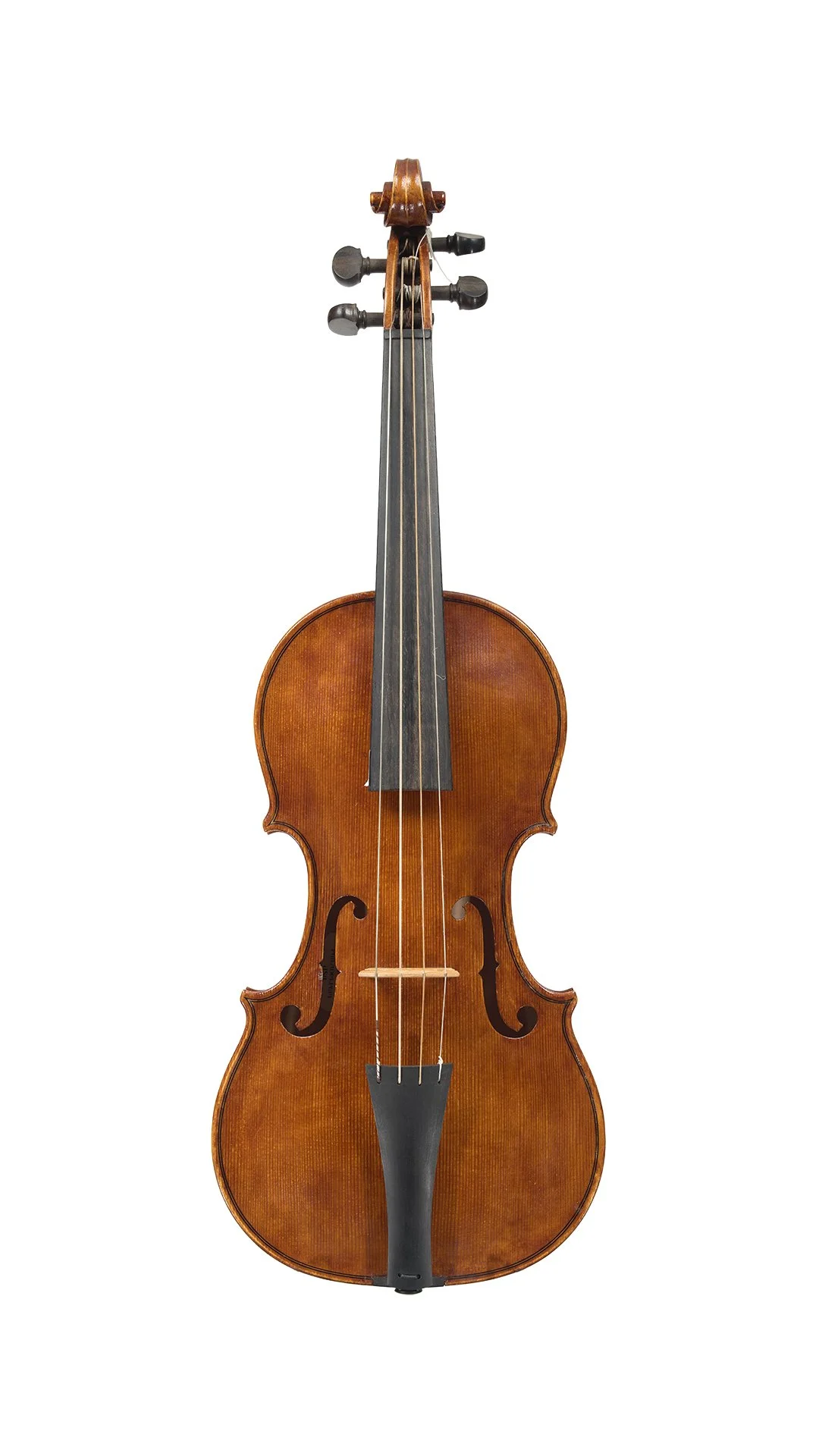
A New Standard for Baroque Musicians
The Resonáre Series was built for those who take early music seriously. Whether you are stepping onto the professional stage or deepening a lifelong devotion to the Baroque repertoire, this is the instrument your ambition has been waiting for.
The Resonáre Series represents a singular achievement in contemporary baroque instrument making — born from the collaboration between master luthier Sarah W. Peck and Vermont Violins.