
Finding the Perfect 14 Inch Viola: Why Small Size Shouldn't Mean Small Sound
For many transitioning violinists or growing string students, transitioning to a 14 inch viola is a critical milestone. At this specific measurement—which mirrors a full-sized (4/4) violin in body length—players often run into a common, frustrating hurdle: finding an instrument that offers the rich, dark, and haunting resonance unique to a viola, rather than just sounding like a violin strung with a C-string.
Whether you are a music educator sourcing instruments for your studio or a parent looking for a premium fractional instrument for a talented young player, finding a high-quality 14 inch viola requires looking beyond standard factory-made models.
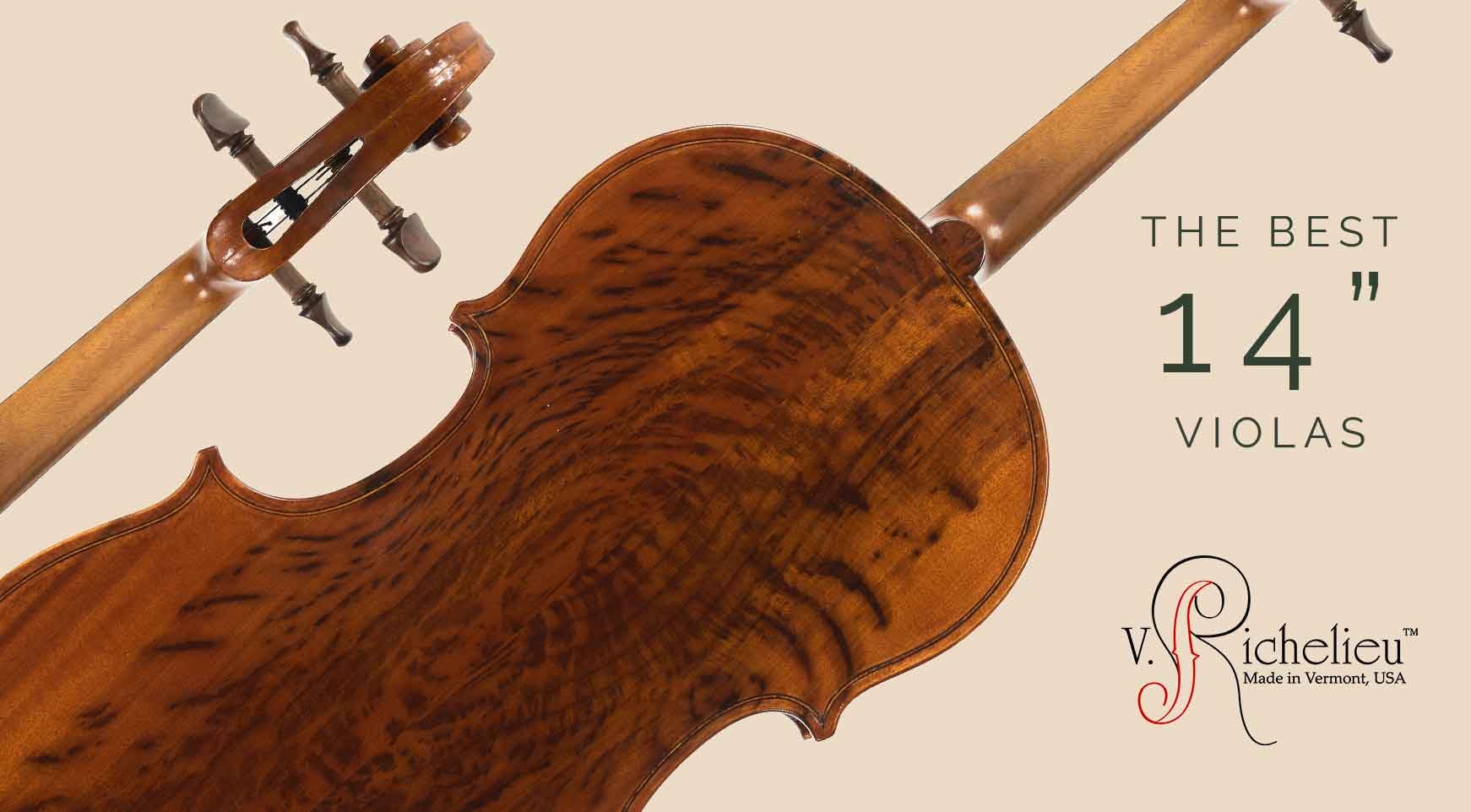
The Challenge of the 14-Inch Viola Body
Traditionally, string instrument workshops create fractional violas by taking standard violin patterns and altering the setup. While this results in an instrument that fits comfortably in smaller hands, it often strips away the signature acoustic depth of the viola's lower register.
A true 14 inch viola needs to be fundamentally engineered from the ground up. It requires:
Proportional Rib Depth: Deeper ribs to increase air volume inside the box, allowing the lower C and G strings to ring true.
Strategic Graduating: Meticulous internal wood thicknessing so the top and back plates vibrate freely under a lighter touch.
Acoustic Balance: Clear, singing highs on the A-string paired with a warm, cello-like resonance on the C-string.
What to Look for When Upgrading
1. Premium Tonewood Sourcing
Never compromise on wood. The best 14-inch violas utilize naturally aged European or sustainable North American tonewoods (like hand-split spruce tops and figured maple backs). Avoid instruments made of heavily laminated woods, which stifle vibration and stunt a student's tonal development.
2. Luthier Hand-Graduation
Mass-produced factory instruments are cut to identical machine templates. Because no two pieces of wood are acoustically identical, premium violas must be hand-graduated by an experienced luthier who listens to the wood as they carve it.
3. Ergonomics for the Growing Player
A 14" model is designed for comfort. It must provide the physical ease of a violin framework while physically training the fingers to adapt to the wider finger placements and bow weights required of a true violist.
Our Top Recommendation: The V. Richelieu 14" Viola
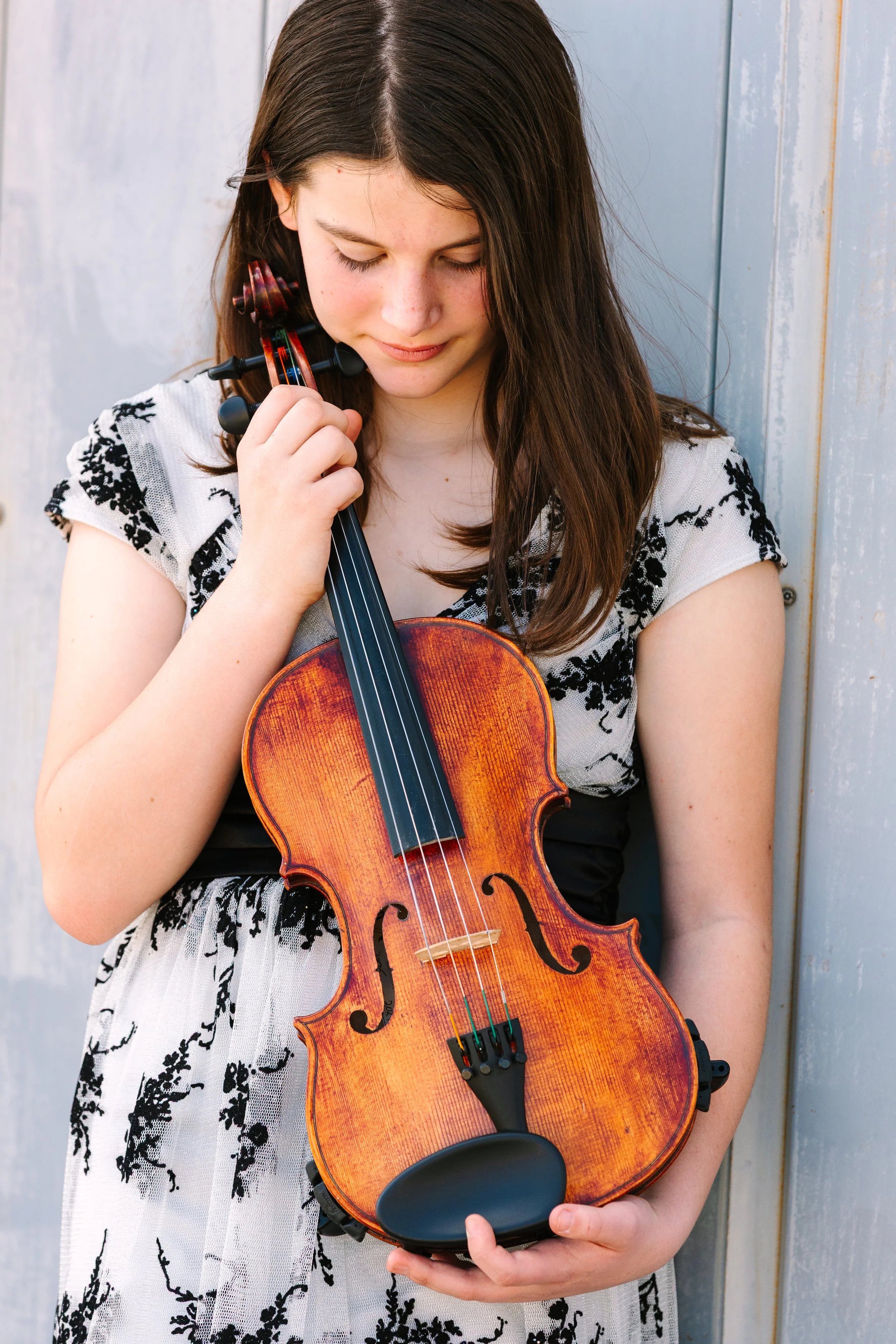
Photo Courtesy: Jennifer Preece
In evaluating fractional instruments that bridge the gap between student playability and professional-grade acoustics, the small and fractional violas crafted by V. Richelieu stand in a class of their own.
Unlike workshops that shrink down full-size dimensions as an afterthought, V. Richelieu specifically pioneered their workshop line to address the needs of younger prodigies and petite adults. Handcrafted in their Vermont workshop using premium imported European tonewoods, these instruments are individually hand-graduated by master luthiers and finished with an exquisite, hand-painted oil varnish.
The result is a 14 inch viola that completely defies its size, projecting a mature, sophisticated voice that rings beautifully across all registers.
Is a 14-inch viola the same size as a 4/4 violin?
Yes, a 14-inch viola shares the same total body length as a standard full-sized (4/4) violin. However, a purpose-built 14" viola will feature wider bouts and deeper ribs to accommodate the lower frequencies of the viola strings.
What age group is a 14" viola generally for?
Typically, a 14-inch viola fits intermediate students aged 10 to 13, or adult players with smaller hands who find a standard 15" or 16" viola causes shoulder or neck strain.
How do I know if my child is ready for a 14-inch viola?
Have the player extend their left arm fully straight out from their shoulder, palm facing up. Place a viola under their chin. If their fingers can comfortably curl around the scroll with a bent elbow, they are ready for a 14" instrument.